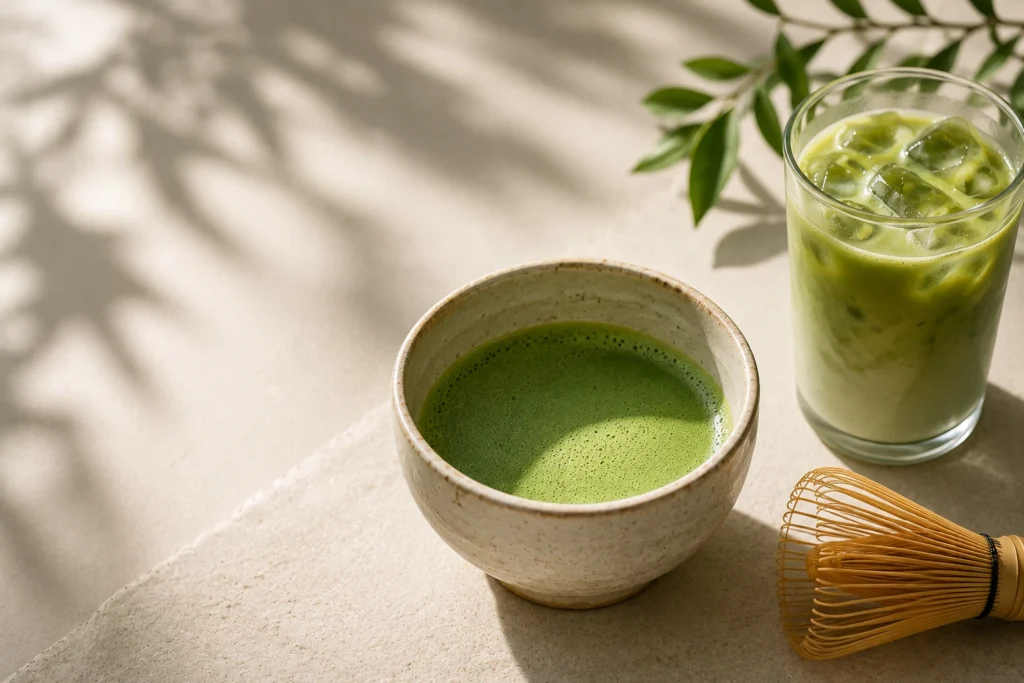
If you’ve ever tried matcha that tasted bitter, thin, dusty or strangely metallic, it usually wasn’t because you “don’t like matcha.”
It was probably because of how the tea was grown, harvested, processed, ground or stored.
Smooth matcha is not an accident. It comes from a chain of careful decisions, from cultivar and shading through to harvest timing, leaf selection, grinding fineness and freshness.
That’s why two matcha powders can both look green, both come from Japan and both be called “ceremonial”, yet taste completely different.
At Matcha Byron Bay, we choose Japanese tea for smoothness, colour, aroma and the way each tea feels in the cup. That means looking beyond surface-level labels and paying attention to the whole chain.
So what actually shapes balance, body, depth and bitterness in matcha?
It is rarely just one factor.
It is usually a combination of:
Cultivar, or tea plant variety
Shading period
Harvest timing
Leaf selection
Processing method
Grinding fineness
Storage and freshness
Region, to a degree
Let’s define the flavour elements first.
1. Balance
Balance means sweetness, umami, bitterness and astringency are integrated rather than fighting each other.
A balanced matcha does not need to be completely free from bitterness. It simply means the bitterness is controlled, the sweetness is present and the umami gives the flavour roundness.
If you are new to matcha and want a smoother place to begin, our Nami ceremonial organic matcha is selected for calm daily rituals, soft sweetness and low bitterness.
What creates balance?
Shading duration
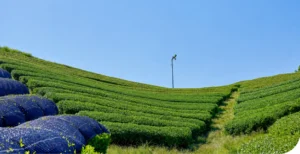
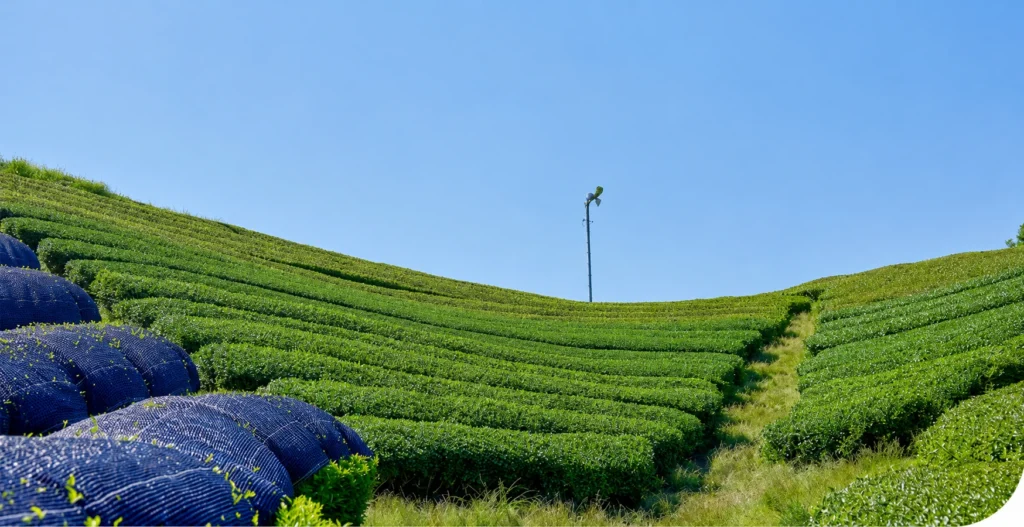
Matcha plants are usually shaded before harvest. This changes the way the leaf develops and helps create the savoury-sweet, umami-rich profile matcha is known for.
The Japan Matcha Association explains that matcha is made from tencha, tea leaves that are steamed, dried without rubbing and ground into powder. It also notes that blocking sunlight during cultivation helps create a less astringent, sweeter taste.
Longer shading generally increases chlorophyll and supports a smoother, more rounded flavour. Scientific studies on shaded tea also show that shading can change the balance of compounds such as theanine, caffeine and catechins, which helps explain why shaded teas taste different from unshaded teas.
For readers who want the science, this review on matcha’s chemical composition and this study on the effects of shading on tea leaves are useful starting points.
First harvest, or Ichibancha
First harvest leaves are usually softer, sweeter and more refined than later harvest leaves.
Later harvests can still be useful, especially for culinary matcha or stronger blends, but they tend to have more bitterness, more astringency and a coarser flavour.
Leaf selection
Younger, tender leaves tend to give cleaner sweetness and smoother flavour.
More mature leaves can give strength and structure, but if the selection is too coarse, the matcha can become harsh, flat or overly bitter.
Careful processing
After harvest, the leaves must be steamed, dried and processed carefully.
Too much oxidation, poor drying or rough handling can flatten sweetness and make the final matcha taste dull, stale or sharp.
2. Body
Body is how full, creamy or weighty the matcha feels in the mouth.
This matters especially in lattes.
A thin matcha can disappear in milk. A matcha with good body still has presence after milk is added.
What creates body?
Leaf maturity
Slightly more mature leaves can sometimes create more structure. This is one reason a matcha that works beautifully in a latte may not always be the softest or most delicate ceremonial matcha.
For lattes, you do not only want refinement. You also want enough structure to carry through milk.
Cultivar choice
Some tea cultivars naturally create a richer, rounder or deeper texture.
Cultivar affects aroma, sweetness, umami, colour and mouthfeel. This is one reason matcha should not be judged by region alone.
Grinding fineness
Finer grinding creates a smoother mouthfeel and better suspension in water or milk.
It can make iced lattes feel silkier and reduce graininess.
But fineness does not create flavour by itself. It enhances texture and integration. The flavour still comes from the quality and composition of the leaf.
Amino acid content
Matcha with higher amino acid character often feels rounder and more complete.
This contributes to the sense of body, softness and depth, especially when the matcha is prepared properly.
3. Depth
Depth is layered flavour.
It is not the same as strength.
A matcha can be strong but simple. It can also be soft but deep.
Depth means there are layers: sweetness, umami, vegetal notes, aroma, finish and aftertaste.
If you prefer a richer, fuller matcha with deeper umami, our Goku premium ceremonial matcha is the more powerful expression.
What creates depth?
Longer shading
Shading changes the chemistry of the leaf and helps create more umami, sweetness and savoury depth.
This is one reason properly shaded matcha often tastes smoother and more complex than unshaded green tea powder.
Cultivar genetics
Different cultivars create different flavour signatures.
Some are brighter and fresher. Some are richer and more savoury. Some are more aromatic. Some have a deeper, more rounded finish.
This is why cultivar choice matters so much.
Processing precision
Even high quality leaves can lose complexity if they are poorly processed.
Steaming, drying and sorting all affect the final flavour. If the processing is careless, the matcha can taste flat even if the raw leaf had potential.
Freshness
Matcha is sensitive to air, light, heat and time.
As matcha ages, it can lose aroma, sweetness and vibrancy. The flavour becomes flatter and the finish can become more bitter or chalky.
Freshness is one of the reasons good matcha should be stored carefully and used within a reasonable time after opening.
You can explore our full range in the Matcha Byron Bay shop.
4. Bitterness vs Umami
Bitterness and umami are not the same thing.
Bitterness comes mainly from catechins and other polyphenols.
Umami comes largely from amino acids such as L-theanine.
Good matcha often has a little bitterness, but it should not be harsh, metallic or unpleasant.
A touch of bitterness can give structure, especially in milk. But too much bitterness overwhelms the sweetness and leaves a sharp finish.
For lattes, the goal is not maximum bitterness.
The goal is controlled structure.
You want enough strength to hold its flavour in milk, but enough sweetness, umami and body to keep the drink smooth.
5. Region, How Much Does It Matter?
Region does matter, but it is not everything.
Region can influence soil, climate, cultivar selection, growing tradition and processing style.
For example:
Uji is known for refined, balanced matcha and traditional shading practices.
Nishio has a long history of matcha production and is known for vibrant colour and consistent quality.
Kagoshima has a warmer climate and often produces smooth, approachable tea profiles.
The Japan External Trade Organization notes that matcha is produced mainly in Kyoto, Aichi and Shizuoka, with Uji in Kyoto and Nishio in Aichi traditionally famous for matcha production.
The history of Uji tea is especially important. This Uji tea history resource describes the development of Ōishita Saibai, a covered cultivation method associated with vivid green leaves and strong flavour.
But region alone does not determine whether a matcha is good, smooth or suitable for lattes.
Cultivar, shading, harvest timing, leaf selection, processing and freshness often matter more than postal code.
A great matcha is not just from a famous place. It is the result of the whole chain being handled well.
For more on where our tea comes from, visit The Sourcing.
6. Season, First Harvest vs Later Harvest
Harvest timing matters a lot.
First harvest matcha, or Ichibancha, usually gives:
More sweetness
More amino acid character
A smoother finish
A more refined flavour
Better balance
Second and third harvest teas often have:
More catechins
More bitterness
Less sweetness
More structure
A stronger, less refined profile
That does not mean later harvest tea is useless. It can be good for culinary blends, baking, desserts and some stronger milk-based drinks.
But for a smooth daily matcha or premium latte, first harvest daily-grade matcha is often ideal.
High ceremonial first flush can sometimes be too subtle for milk. It is not wrong to use it in a latte, but it may be softer and more delicate than what the drink needs.
7. Dryness, Storage & Freshness
Dryness itself is not really a flavour note. It is more connected to freshness, storage and texture.
Poorly stored matcha can become:
Flatter
More bitter
Less sweet
Less aromatic
More chalky
Less vibrant in colour
Matcha should be protected from heat, light, air and moisture.
Once opened, it should be sealed well and used while it is still fresh.
Freshness affects how the matcha tastes on its own, but it also affects how well it integrates in milk.
Old or poorly stored matcha can make a latte taste dusty, thin or harsh even if it was originally a good powder.
8. Fineness of Powder
Fineness matters, but it is often misunderstood.
A finer grind can create:
Smoother mouthfeel
Better suspension
Less graininess
A silkier latte
Better integration in cold drinks
But fineness does not create sweetness, umami or depth.
It improves texture.
The flavour still comes from the leaf.
This is why a finely ground poor-quality matcha can still taste bitter or flat, while a high-quality finely ground matcha can feel smooth, creamy and complete.
This is also why Goku, with its extra-fine texture, feels especially silky. The grind helps the powder integrate beautifully, but the body and depth still come from the leaf itself.
A Note on “Ceremonial Grade”
In Australia and other Western markets, “ceremonial grade” is often used to describe matcha intended for drinking rather than baking.
However, it is worth knowing that this term is not a formal Japanese grading system. Food & Wine has a useful explainer on why “ceremonial grade” is more of a Western marketing term than a regulated Japanese grade.
That does not mean the phrase is useless. It can still help customers understand intended use.
But it does mean you should look beyond the label.
Flavour, freshness, colour, aroma, harvest timing, texture and sourcing matter more than the words on the front of the pouch.
So What Should You Look For?
If you want smoother matcha, look beyond the word “ceremonial.”
Look for the whole picture:
Was it shaded?
Was it first harvest?
Are the leaves selected carefully?
Is it fresh?
Is it finely ground?
Does it have sweetness and umami, not just colour?
Does it have enough body for the way you drink it?
For traditional preparation, you may want a softer, more refined matcha with elegant sweetness and umami.
For lattes, you want something slightly different.
You want balance, body and controlled structure, enough strength to hold through milk, but not so much bitterness that the finish becomes sharp.
This is why we choose matcha based on more than colour alone.
The goal is not just “green powder.”
The goal is balance, body, depth and a clean finish, whether you prepare it traditionally, over ice or as a matcha latte.
If you want a smooth daily matcha, Nami is a beautiful place to start.
If you want extra depth, body and a silkier texture, Goku is the richer expression.
If you are starting your home matcha practice, the Complete Nami Ritual Set includes the tools and tea needed to prepare matcha with more care.
Both Nami and Goku are selected to give you a more thoughtful matcha experience, one built around flavour, freshness and the quiet ritual of preparation.
You can also explore more tea notes in The Journal or learn how to prepare matcha more intentionally in The Ritual.