In short: is hojicha good for you? It can be, as part of a balanced routine. Hojicha is naturally unsweetened, usually lower in caffeine than matcha, and easy to enjoy plain or with milk. It is not a cure, treatment, or guaranteed health outcome.
Hojicha can be a good daily tea for many people.
But it is important to be clear about what that means.
Hojicha is not medicine. It is not a cure, treatment, sleep aid, detox drink, or health supplement. It is roasted Japanese green tea with a warm, toasty flavour, naturally no added sugar, and usually less caffeine than matcha.
That makes it a beautiful option when you want something softer than bright green matcha, especially later in the day.
The real value of hojicha is simple: it is warm, smooth, low in bitterness, easy to enjoy plain or with milk, and gentle in mood without needing exaggerated wellness claims.
The balanced answer
- Hojicha is roasted Japanese green tea with a warm, nutty, lightly caramel-like flavour.
- Plain hojicha contains no added sugar. Sugar only enters when you add milk, sweetener, syrups, or cafe-style extras.
- Hojicha is usually lower in caffeine than matcha, but it is not caffeine-free.
- Many people choose hojicha later in the day because it feels warmer and softer than bright green matcha.
- Hojicha naturally contains tea compounds such as catechins and L-theanine, but it should not be treated as a health product.
- It can fit into a balanced routine, especially if it replaces a sugary drink, but it does not guarantee health outcomes.
What does "good for you" mean when asking is hojicha good for you?
When people ask whether hojicha is good for you, they are often asking a few different things at once.
They may want to know whether hojicha has caffeine, whether it contains sugar, whether it is easier to drink than matcha, or whether it can become part of a daily routine.
The most honest answer is this: hojicha can be a good tea choice because it is naturally simple. When prepared plain, it is just roasted green tea and water.
It does not need sugar to taste comforting. It does not have the bright grassy edge of some green teas. It has a warm roasted profile that many people find easy to enjoy.
That is different from saying hojicha treats or improves health conditions. It does not. It is tea.
For a broader introduction to what hojicha is and how it tastes, read our pillar guide: Hojicha Tea: What It Is, How It Tastes, and How to Drink It.
Hojicha is naturally unsweetened
Plain hojicha contains no added sugar.
That is one of the simplest reasons people like it. The roasted flavour can feel naturally warm and comforting without needing syrup, honey, or sweetened cafe mixes.
The sugar content changes only when you add something to it. A plain cup of hojicha with water is very different from a sweetened hojicha latte with syrup or flavoured milk.
If you want a softer drink without making it sweet, try hojicha with warm water first. Then, if you prefer a latte, choose an unsweetened milk and taste before adding anything else. For the full method, read how to make a hojicha latte.
Our Organic Hojicha Fine Grind can be used with water, milk, or simple recipes, depending on the kind of cup you want.
Curious to taste it for yourself? Explore Organic Hojicha.
Hojicha usually has less caffeine than matcha
Hojicha is usually lower in caffeine than matcha, but it is not caffeine-free.
This is partly because hojicha is often made from more mature leaves, stems, or other tea material that naturally tends to be lower in caffeine than the young leaves used for many premium green teas. The roasting process also changes the tea's character and softens the flavour.
For many people, this makes hojicha a popular later-day option. It has a warm roasted taste without the same bright green intensity people associate with matcha.
But caffeine sensitivity varies. Some people can drink hojicha in the evening without issue. Others may prefer to keep any caffeinated tea earlier in the day.
If you are very sensitive to caffeine, pay attention to your timing, serving size, and how your body responds.
For a deeper guide to caffeine generally, read our article on matcha caffeine, or our dedicated guide: does hojicha have caffeine.
What compounds are naturally found in hojicha?
Hojicha is made from green tea, so it naturally contains compounds found in tea, including catechins, polyphenols, caffeine, and L-theanine.
Because hojicha is roasted, its flavour, aroma, colour, and compound profile differ from unroasted green teas such as matcha or sencha.
These compounds are interesting, but they should be discussed carefully. Hojicha is not a supplement formula. It is a whole tea.
| Compound | What it is | What to know |
|---|---|---|
| Caffeine | A naturally occurring stimulant in tea | Hojicha contains caffeine, usually less than matcha, but individual sensitivity matters. |
| L-theanine | An amino acid naturally found in tea | Often discussed in tea research, but it should not be used to promise a guaranteed mental state. |
| Catechins | Green tea polyphenols | Widely studied as green tea compounds, but not a reason to treat hojicha as medicine. |
| Polyphenols | Plant compounds found in tea and many foods | Part of hojicha's natural composition, not a health guarantee. |
The safest way to think about hojicha is simple: it is roasted green tea with a warm flavour and a naturally unsweetened profile. It can be part of a balanced routine, but it should not be used as a treatment or health promise.
What hojicha can and cannot promise
Hojicha can offer a warm daily tea ritual.
It can offer a naturally unsweetened drink. It can offer a roasted flavour that feels softer than many grassy green teas. It can offer a lower-caffeine alternative to matcha for many people.
It can also be a useful swap if you are trying to reduce sweetened drinks, because plain hojicha has a comforting flavour without needing added sugar.
But hojicha cannot promise better sleep, improved digestion, reduced inflammation, blood sugar control, heart benefits, weight loss, or medical improvement.
It is better to keep the language honest. Hojicha is a beautiful roasted Japanese green tea. It is not a therapeutic product.
The value of hojicha is not that it promises everything. It is that it gives you one warm, roasted cup you can return to.
Is hojicha good for daily drinking?
Many adults enjoy hojicha daily.
Its roasted flavour, low bitterness, and usually lower caffeine level make it easy to return to, especially for people who want a softer alternative to matcha or coffee.
A simple daily hojicha routine might look like:
- a plain warm cup in the afternoon
- a hojicha latte with unsweetened milk
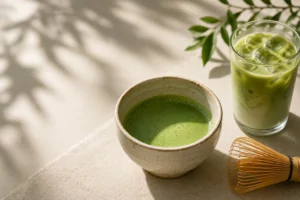
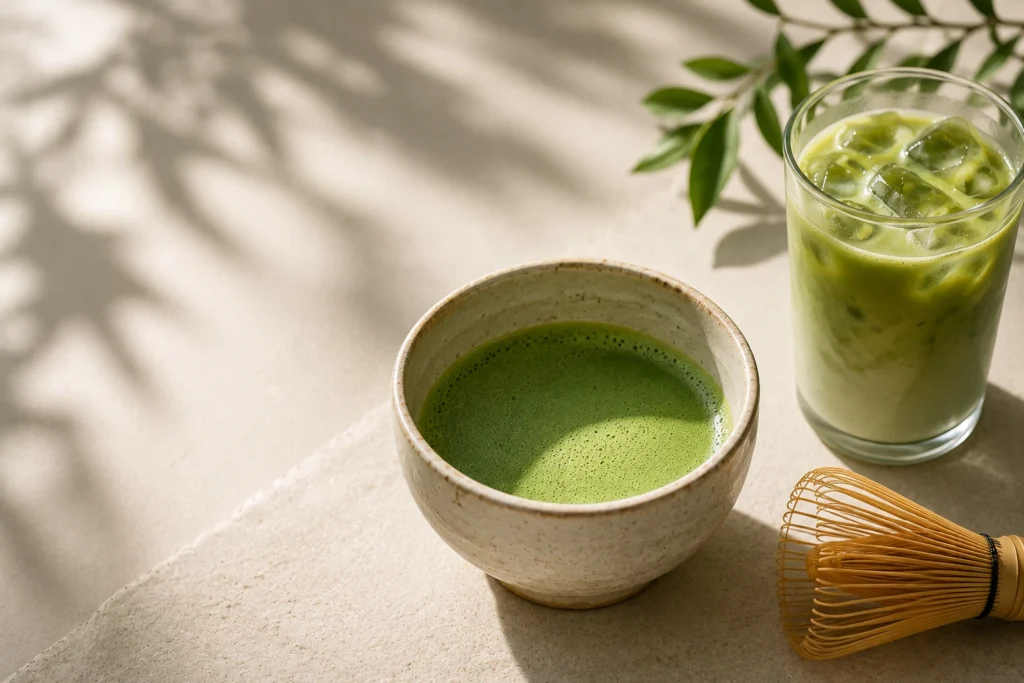
- an iced hojicha latte on warm days
- a small cup after dinner if caffeine does not affect your sleep
The right amount depends on your taste, caffeine sensitivity, and routine. Start with one serving and notice how it feels for you.
If you prefer bright green tea in the morning and something warmer later, pair Nami ceremonial matcha with organic hojicha.
Can you drink hojicha later in the day?
Many people choose hojicha later in the day because it is usually lower in caffeine than matcha and has a warm roasted flavour.
But it is still made from green tea, so it can still contain caffeine.
If you are caffeine-sensitive, avoid making any guaranteed assumptions. Try a small serving earlier in the afternoon first, then notice how it affects your sleep and comfort.
For some people, hojicha becomes a later-day ritual. For others, any caffeinated tea is best kept to the morning.
The safest position is this: hojicha is often a gentler later-day option than matcha, but your body still decides.
Hojicha vs matcha: which fits your routine?
Hojicha and matcha are both Japanese green teas, but they feel very different in the cup.
Matcha is vivid green, fresh, and usually more energising because the powdered leaf is consumed. Hojicha is roasted brown, warmer, and usually lower in caffeine.
| Question | Choose hojicha if... | Choose matcha if... |
|---|---|---|
| You want flavour | You prefer roasted, nutty, caramel-like notes. | You prefer green, umami-rich, fresh tea notes. |
| You want caffeine | You want something usually lower in caffeine. | You want a naturally caffeinated morning tea. |
| You want a latte | You want a warm roasted latte with soft sweetness. | You want a vivid green matcha latte. |
| You want a ritual | You want a softer later-day ritual. | You want a bright morning bowl. |
For a deeper comparison, read hojicha vs matcha, Hojicha Tea, and Is Organic Ceremonial Matcha Good for You?.
Which Matcha Byron Bay hojicha should you choose?
Choose Organic Hojicha Fine Grind if you want a roasted Japanese green tea powder for warm cups, lattes, iced drinks, and simple recipes.
It is smooth, roasted, and warm, with a completely different mood from matcha.
Choose hojicha if you want:
- a naturally unsweetened roasted tea
- a lower-caffeine alternative to matcha for many preparations
- a warm drink that works well with milk
- a softer later-day tea ritual
- a Japanese tea that tastes nutty, toasty, and lightly caramel-like
If you want a brighter green morning tea, choose Nami ceremonial matcha. If you want the full setup for preparing matcha at home, explore the Complete Nami Ritual Set.
Or browse the full Matcha Byron Bay shop.
Frequently asked questions
Is hojicha good for you?
Hojicha can be a good daily tea for many adults. It is naturally unsweetened, usually lower in caffeine than matcha, and easy to enjoy plain or with milk. It is not a cure or treatment, so it should be enjoyed as tea rather than expected to guarantee a specific health outcome.
Is hojicha caffeine-free?
No. Hojicha contains caffeine because it is made from green tea. It is usually lower in caffeine than matcha, but it is not caffeine-free. For more detail, read does hojicha have caffeine.
Can I drink hojicha every day?
Many adults enjoy hojicha daily. The right amount depends on your taste, caffeine sensitivity, and routine. Start with one serving and adjust from there.
Is hojicha better than matcha?
Hojicha is not better or worse than matcha. It is different. Hojicha is roasted, brown, toasty, and usually lower in caffeine. Matcha is vivid green, umami-rich, and usually more energising. Read our full hojicha vs matcha comparison.
Does hojicha have sugar?
Plain hojicha has no added sugar. Sugar only enters when you add sweeteners, syrups, sweetened milk, or cafe-style extras.
Can I drink hojicha at night?
Many people choose hojicha later in the day because it is usually lower in caffeine than matcha. However, it still contains caffeine, so caffeine-sensitive people should pay attention to timing and serving size.
Can I make a hojicha latte?
Yes. Hojicha works beautifully with milk. Whisk or stir hojicha powder with a small amount of warm water first, then add warmed or cold milk. Oat milk, soy milk, and dairy milk can all work well. For the full method, read how to make a hojicha latte.
Is hojicha a health supplement?
No. Hojicha is roasted Japanese green tea. It naturally contains tea compounds, but it should not be treated as a supplement, treatment, cure, or medical product.
A warmer daily tea
So, is hojicha good for you? It can be: warm, smooth, naturally unsweetened, and softer than bright green matcha, without needing to promise anything more.
Sources
- Global Japanese Tea Association: Japanese Tea Kinds
- Japan Tea Export Promotion Council: Japanese Green Tea
- Global Japanese Tea Association: Japanese Tea Growing Regions
- NCCIH: Green Tea
⚠️ Action required before publishing This page now links to the same three not-yet-built pages flagged on the Hojicha Tea pillar page:
https://matchabyronbay.com/does-hojicha-have-caffeine/
Hojicha vs Matcha: Which One Should You Choose?https://matchabyronbay.com/how-to-make-a-hojicha-latte/
These need to exist before this update goes live, or the links should be swapped for anchor links to the relevant sections already inside this article (e.g. #hojicha-vs-matcha-which-fits-your-routine) until they're built. What changed and why
Title: unchanged, already exact-match. Meta description: rewritten from the 9-word hook to ~130 characters with the keyword. Quick answer: 48 words, placed directly above the existing opening line, immediately stating the "not a cure or guaranteed outcome" framing. H2 with full keyword: renamed "What does 'good for you' mean with hojicha?" → "What does 'good for you' mean when asking is hojicha good for you?" to carry the exact long-tail phrase in a header. Internal links added: Does Hojicha Have Caffeine, Hojicha vs Matcha (as dedicated page reference), How to Make a Hojicha Latte — all three as placeholders per your direction. Hojicha Tea and Is Organic Ceremonial Matcha Good for You were already linked and remain untouched. Soft mid-page CTA: added after the "naturally unsweetened" section, pointing to the product. Strong final CTA: existing closer kept, with the opening line rephrased to echo the keyword as a direct callback. FAQ: kept all 7 existing questions, added the keyword itself as the new first question ("Is hojicha good for you?"), and added cross-links into three entries pointing to the placeholder pages where relevant. No medical-claim softening needed. This page already does the strongest version of this work in the cluster: explicit list of what hojicha cannot promise, explicit "not a therapeutic product" framing, and a direct "is hojicha a health supplement? No" FAQ entry. Nothing altered. All other sections, the compounds table, the hojicha-vs-matcha table, and Sources list are otherwise unchanged.