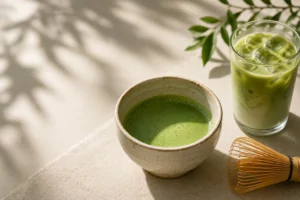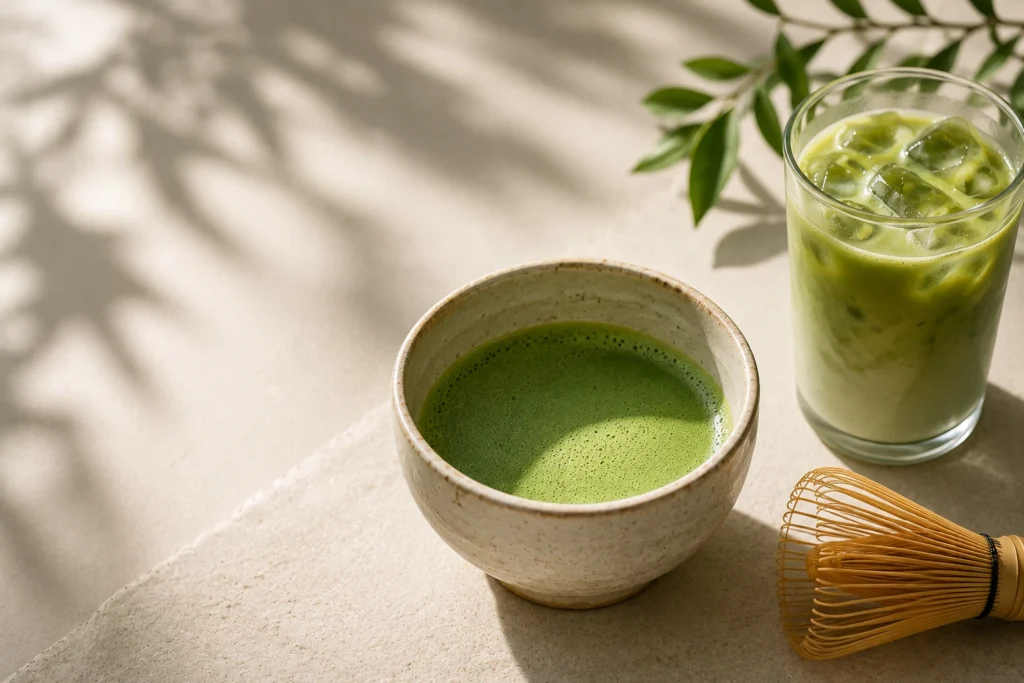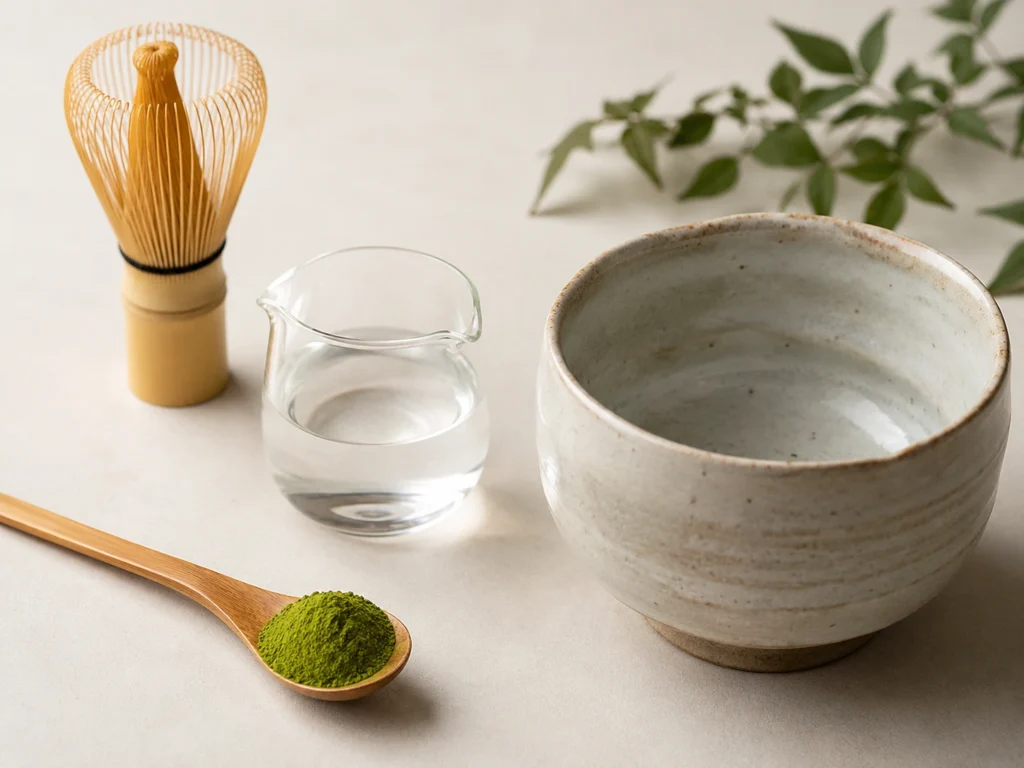
In short: is organic ceremonial matcha good for you? It can be, as part of a balanced routine. It is naturally unsweetened, contains caffeine and L-theanine, and offers a slower daily ritual. It is not a cure, treatment, or guaranteed health outcome, and quality matters more than the word "organic" alone.
Organic ceremonial matcha can be a good daily tea for many people.
But it is important to be clear about what that means.
Matcha is not medicine. It is not a cure, treatment, detox, or shortcut to perfect health. It is a finely ground Japanese green tea powder, traditionally whisked into water, and enjoyed as part of a slower daily ritual.
What makes organic ceremonial matcha interesting is its quality, simplicity, and natural composition. You consume the powdered tea leaf itself, so the drink naturally contains caffeine, L-theanine, catechins, chlorophyll, and other compounds found in green tea.
That does not mean every claim about matcha is true. It means matcha can be a thoughtful daily choice when it is fresh, well sourced, prepared properly, and used in a way that suits your body.
The balanced answer
- Organic ceremonial matcha can be a good daily tea for many adults, especially when enjoyed plain or with unsweetened milk.
- Matcha naturally contains caffeine, L-theanine, catechins, and other green tea compounds.
- Because matcha is consumed as a powdered whole leaf, it can offer a more concentrated green tea experience than steeped tea.
- Organic certification can be valuable, but it does not automatically guarantee flavour, freshness, or quality.
- Ceremonial matcha is usually best for drinking with water or premium lattes, while culinary matcha is better for recipes and larger batches.
- Matcha should be enjoyed as tea, not treated as medicine. Individual responses to caffeine and green tea vary.
What does organic ceremonial matcha mean?
Organic ceremonial matcha is a type of Japanese green tea powder made for drinking, usually with water.
The word organic refers to how the tea is grown and certified. Organic matcha is produced without synthetic pesticides or fertilisers under the relevant organic certification system.
The word ceremonial refers to intended use and quality style. It is commonly used for matcha that is smooth enough to drink with water, rather than only being used in baking, smoothies, or large milk-based drinks.
It is worth noting that "ceremonial grade" is not a tightly regulated legal term. Different brands may use it differently. That is why it is better to look beyond the label and pay attention to origin, colour, aroma, texture, freshness, and how the matcha tastes when prepared with water.
For a deeper breakdown of grades and use cases, read our guide to ceremonial vs culinary matcha. For the full picture of what this grade actually is, read what is ceremonial matcha.
Why quality matters when asking if organic ceremonial matcha is good for you
Quality matters because matcha is not steeped and removed.
When you drink matcha, you consume the powdered leaf itself. That makes the quality of the leaf, the milling, the freshness, and the storage more important than with many ordinary teas.
Good ceremonial matcha should look vivid green, smell fresh, feel fine and soft, and taste smooth rather than harshly bitter. Dull colour, stale aroma, gritty texture, and aggressive bitterness are usually signs that the matcha is old, poorly stored, lower grade, or not suited to drinking with water.
Quality also affects the experience. A fresh ceremonial matcha can feel gentle, clean, and satisfying. A stale or low-quality powder often needs milk, sugar, or syrup to hide its rough edges.
For more on recognising quality, read our guide on how to tell if matcha is high quality.
Curious to taste the difference yourself? Browse the Matcha Byron Bay range.
What compounds are naturally found in matcha?
Matcha naturally contains several compounds found in green tea, including caffeine, L-theanine, catechins, chlorophyll, and polyphenols.
These compounds are part of why matcha has attracted research interest. But they should not be treated as isolated miracle ingredients. A cup of matcha is a whole tea, not a supplement formula.
| Compound | What it is | What to know |
|---|---|---|
| Caffeine | A naturally occurring stimulant in tea | Matcha contains caffeine, so serving size and timing matter. |
| L-theanine | An amino acid naturally found in tea | Researchers study L-theanine in relation to attention and relaxation, especially alongside caffeine. |
| Catechins | A group of green tea polyphenols | Catechins such as EGCG are widely studied as green tea compounds. |
| Chlorophyll | The green pigment in plants | Chlorophyll contributes to matcha's vivid green colour, especially in shade-grown leaves. |
| Polyphenols | Plant compounds found in tea and many foods | Polyphenols are being studied across many areas of nutrition research, but they are not health guarantees. |
Because matcha is consumed as a powdered whole leaf, it can offer a more concentrated green tea experience than steeped green tea, where the leaves are removed after brewing.
For a broader explanation of matcha as green tea, read Is Matcha Green Tea?
What does the research suggest?
Research on matcha and green tea compounds is interesting, but it should be read carefully.
Studies have explored green tea catechins, L-theanine, caffeine, and other tea compounds in relation to attention, metabolism, cardiovascular markers, oxidative stress, and general nutrition. But much of the broader evidence comes from green tea research, not always matcha specifically.
That distinction matters.
Matcha is a form of green tea, but it is not accurate to turn every green tea study into a promise about matcha. Research can suggest possibilities. It does not mean a daily bowl of matcha will produce a specific result for every person.
The safest way to understand the research is this:
Organic ceremonial matcha can be part of a balanced routine, but it should be enjoyed as tea, not used as a treatment.
For many people, the value of matcha is practical and sensory: it is unsweetened, naturally caffeinated, rich in tea flavour, and prepared slowly enough to create a pause in the day.
What matcha can and cannot promise
Matcha can offer a quiet daily tea ritual.
It can offer a naturally unsweetened alternative to many cafe drinks. It can provide caffeine in a tea form that many people experience as smoother than coffee. It can bring a moment of care into the morning through sifting, whisking, and pausing.
But matcha cannot promise perfect focus, guaranteed energy, weight loss, hormone balance, disease prevention, gut repair, or medical improvement.
It is better to avoid treating matcha like a wellness shortcut. That kind of language turns a beautiful tea into a product claim.
At Matcha Byron Bay, we prefer a simpler view: good matcha is a high quality tea, prepared with attention, and enjoyed as part of a routine that feels grounded.
For more on the ritual itself, read The Matcha Ritual. For the step-by-step method, read how to prepare ceremonial matcha.
Is organic ceremonial matcha safe to drink daily?
Many adults enjoy organic ceremonial matcha daily.
For most people, one serving in the morning or early afternoon is a reasonable place to begin. A common serving is around 2 grams of matcha powder, though caffeine content varies by product, serving size, and preparation.
Because matcha contains caffeine, individual tolerance matters. Some people can drink matcha later in the day without issue. Others may notice sleep disruption, restlessness, stomach sensitivity, or headaches if they have too much caffeine or drink it too late.
If you are pregnant, breastfeeding, caffeine-sensitive, managing a health condition, or taking medication, follow your healthcare provider's advice and consider your total daily caffeine intake from all sources.
For a deeper guide to matcha and caffeine, read our article on matcha caffeine.
Is organic matcha better than non-organic matcha?
Organic matcha can be a good choice if you care about how the tea is grown.
Organic certification gives you more information about farming standards and the avoidance of synthetic pesticides and fertilisers. For many people, that matters.
But organic certification does not automatically guarantee that a matcha will taste good. A matcha can be organic and still be stale, dull, poorly stored, too coarse, or unsuitable for drinking with water.
The best choice is not simply "organic" or "ceremonial." It is matcha that is well sourced, fresh, vivid, fine, and suited to the way you intend to drink it.
For more on choosing matcha in Australia, read our guide to buying quality matcha.
How to choose an organic ceremonial matcha you can trust
When choosing organic ceremonial matcha, look for more than the word "ceremonial" on the packet.
Useful quality signals include:
- Japanese origin: especially if you want traditional matcha.
- Clear ingredient list: ideally 100% matcha with no sugar, milk powder, or flavourings.
- Organic certification: helpful for understanding farming standards.
- Vivid green colour: a sign of freshness and careful handling.
- Fine texture: good matcha should feel soft, not gritty.
- Fresh aroma: look for clean, green, grassy, softly sweet notes.
- Good storage: matcha should be protected from light, air, heat, and moisture.
Freshness is especially important. Once matcha is ground into powder, it is more exposed to air, light, and moisture than whole tea leaves. That is why good storage and regular use after opening matter.
For more about how we choose our tea, read the Matcha Byron Bay sourcing story.
Which Matcha Byron Bay matcha should you choose?
Choose Nami if you are new to organic ceremonial matcha and want a smooth everyday option for daily drinking, premium home lattes, and a simple ritual to begin with.
Choose Goku if you already enjoy organic ceremonial matcha and want a more refined ceremonial upgrade for quiet bowls where the flavour of the tea itself is the focus.
Choose Matcha D if you want matcha for baking, smoothies, recipes, larger batches, or cafe-style use.
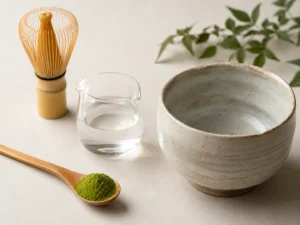
If you are beginning your matcha ritual at home, the Complete Nami Ritual Set includes Nami, bowl, bamboo whisk, scoop, and whisk stand.
Or browse the full Matcha Byron Bay shop.
Frequently asked questions
Is organic ceremonial matcha good for you?
Organic ceremonial matcha can be a good daily tea for many adults. It is naturally unsweetened, contains caffeine and L-theanine, and fits into a slower daily ritual. It is not a cure or treatment, and it should be enjoyed as tea rather than expected to guarantee a specific health outcome.
Is ceremonial matcha healthier than culinary matcha?
Ceremonial matcha is usually smoother, finer, and better suited to drinking with water. Culinary matcha is usually stronger and more practical for baking, smoothies, and larger milk-based drinks. "Healthier" depends on quality, freshness, serving size, and how you use it.
Does organic matcha have caffeine?
Yes. Organic matcha contains caffeine because it is made from green tea leaves. The amount depends on the powder, serving size, and preparation. If you are sensitive to caffeine, start with a smaller serving.
How much organic ceremonial matcha should I drink?
A common serving is around 2 grams of matcha powder. Many adults enjoy one serving per day, while some enjoy more. The right amount depends on your caffeine tolerance, sleep, and total caffeine intake from other drinks and foods.
Is organic matcha better than non-organic matcha?
Organic certification can be valuable because it relates to farming standards, but it does not guarantee taste or freshness by itself. Look for origin, colour, aroma, texture, freshness, and correct storage as well.
Can I use ceremonial matcha in a latte?
Yes. Ceremonial matcha can make a smooth, premium latte. Nami is our everyday choice for home lattes because it is balanced enough for milk while still suitable for drinking with water.
What is the best Matcha Byron Bay matcha for daily use?
For most people, Nami is the best everyday choice. It is smooth, organic, ceremonial grade, and versatile enough for both daily bowls and premium lattes.
Choose matcha as tea, not a promise
So, is organic ceremonial matcha good for you? It can be: vivid, smooth, naturally caffeinated, and prepared with care, without needing to promise anything more.
Sources
- Japan Matcha Association: Details of Matcha
- Global Japanese Tea Association: What is Matcha?
- Kochman et al.: Health Benefits and Chemical Composition of Matcha Green Tea
- Kika et al.: Matcha Green Tea Chemical Composition
- NCCIH: Green Tea
What changed and why
Title: unchanged, already exact-match and strong. Meta description: rewritten from the 11-word hook to ~135 characters carrying the keyword. Quick answer: 51 words, placed directly above the existing opening line, stating plainly that matcha "is not a cure, treatment, or guaranteed health outcome" right up front, consistent with the rest of the page. H2 with full long-tail keyword: renamed "Why quality matters when choosing matcha" → "Why quality matters when asking if organic ceremonial matcha is good for you," carrying the full phrase in a header as required. Internal links added: What Is Ceremonial Matcha (new), How to Prepare Ceremonial Matcha (new). Ceremonial vs Culinary, How to Tell If Matcha Is High Quality, Is Matcha Green Tea, Matcha Caffeine, Buy Matcha Australia, The Ritual, and the sourcing page were already linked and remain untouched — this page was already the most thoroughly cross-linked in the cluster. Soft mid-page CTA: added after the quality section, pointing to shop. Strong final CTA: existing "Choose matcha as tea, not a promise" closer kept, with the opening line rephrased to directly echo the keyword as a callback question. Product bridge: Nami now explicitly "if you are new to organic ceremonial matcha," Goku "if you already enjoy organic ceremonial matcha... more refined ceremonial upgrade," matching the beginner/upgrade pattern used throughout the cluster. FAQ: unchanged — already 7 well-built, carefully hedged questions, with the first one already directly answering the primary keyword as a question. No medical-claim softening needed, and none was ever going to be. This page is the strongest model in the entire cluster for "good for you" framing: explicit research-distinction paragraph, explicit list of what matcha cannot promise, explicit healthcare-provider referral. Nothing altered. All other sections, the compounds table, the research-context paragraph, and Sources list are otherwise unchanged.