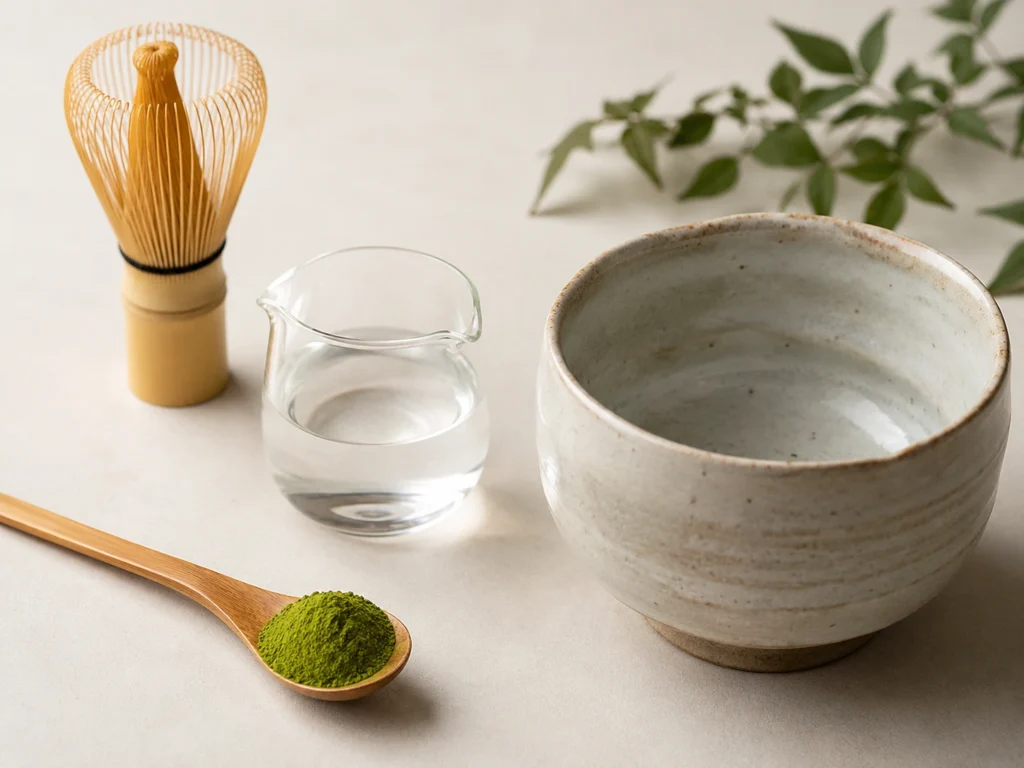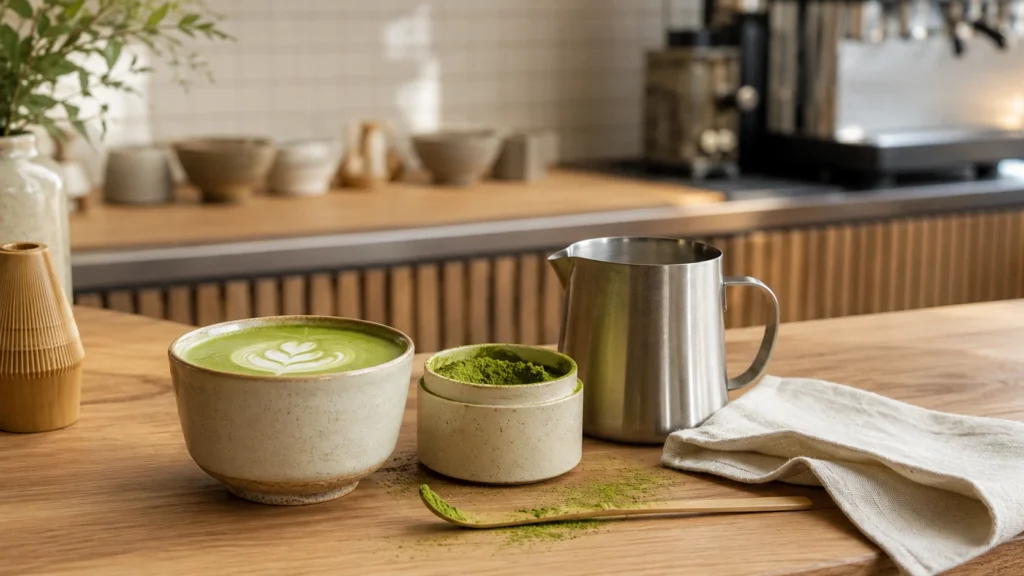
In short: a good matcha supplier Australia cafes can rely on should offer clear Japanese origin, consistent batch-to-batch flavour, products suited to different menu uses, practical preparation support, and a simple wholesale ordering process. Consistency matters as much as quality once matcha is on your menu.
A good wholesale matcha supplier should help your cafe serve a consistent cup.
That means clear Japanese origin, suitable grades for different menu uses, practical preparation advice, careful storage, and a simple ordering process.
For cafes, matcha is not only a powder on the shelf. It becomes a drink your customers return for. The colour, flavour, texture, and consistency all matter, especially when your baristas are preparing it during a busy service.
This guide explains what to look for when choosing a matcha supplier in Australia, which matcha products suit a cafe menu, and how to order wholesale matcha from Matcha ByronBay.
What to know first
- A reliable wholesale matcha supplier should offer clear origin, consistent quality, practical support, and products that suit real cafe menus.
- Japanese origin matters because it shapes flavour, colour, texture, and the story behind the cup.
- Most cafes need more than one tea option: an everyday matcha for lattes, a culinary matcha for volume or recipes, and a roasted tea option such as hojicha.
- Nami is our everyday cafe matcha, Culinary Matcha D suits higher-volume lattes and recipes, and Organic Hojicha Fine Grind gives cafes a warm roasted tea option.
- Wholesale ordering starts with a conversation about your menu, expected volume, and what you want to serve.
- Contact Matcha ByronBay for current wholesale pricing, samples, or a quote.
What makes a reliable matcha supplier Australia cafes can trust?
A reliable wholesale matcha supplier is one that helps your cafe serve matcha consistently.
That starts with clear sourcing. You should know where the matcha comes from, what grade it is, how it should be used, and how to store it once opened.
For cafes, consistency matters as much as origin. If a customer orders a matcha latte on Tuesday and returns on Saturday, they expect the same colour, flavour, and finish. A supplier that changes source, grade, or freshness without communicating can make that harder for your team.
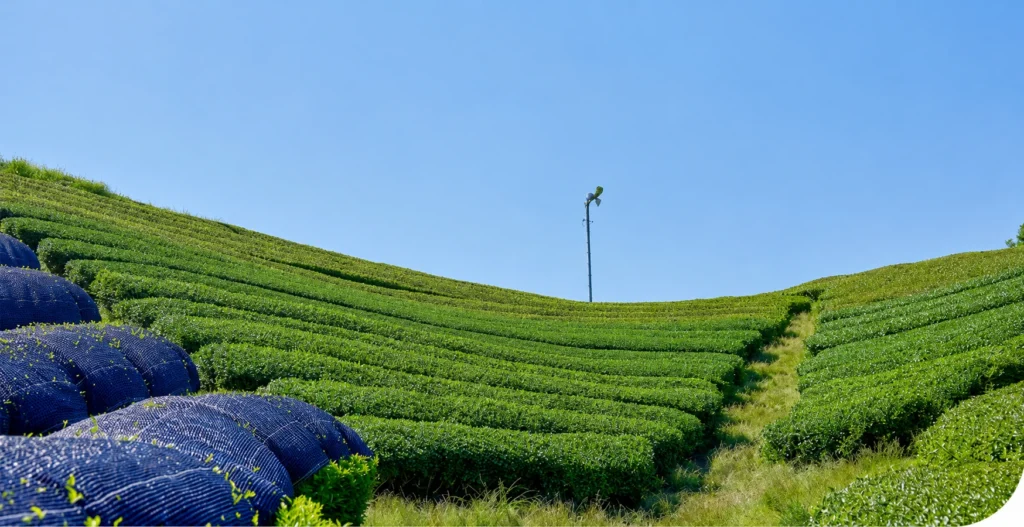
At Matcha ByronBay, our matcha is sourced from Uji, Japan, and our range is kept intentionally focused. We do not believe cafes need a confusing catalogue of powders. They need a clear matcha for daily service, a practical matcha for recipes and volume, and a roasted tea option for customers who want something different.
You can read more about where our tea comes from on The Sourcing page, or learn about the story behind the brand on our About page.
What cafes should look for in a wholesale matcha supplier
Choosing a matcha supplier is a different decision than choosing matcha for a home bowl. Here is what actually matters for a cafe.
Consistency: Your matcha should taste and look the same batch after batch. A supplier who can explain their sourcing and grading helps protect that consistency, so regulars get the same latte every time.
Taste profile: The matcha should be smooth enough to drink straight or as a premium latte, without needing heavy sweetener to mask bitterness. A bolder, more robust matcha may suit recipes and high-volume lattes better than a delicate ceremonial grade.
Training ease: New baristas should be able to learn the house recipe quickly. A matcha that behaves predictably with milk, whether oat, soy, or dairy, makes training faster and reduces wasted product.
Menu suitability: Most cafes need more than one product: something smooth for premium lattes, something bolder for volume or baking, and possibly a roasted alternative like hojicha for variety.
Supply reliability: A supplier should be able to talk through expected volume, lead times, and what happens if your order needs to scale up or down. Clear communication matters more than flashy marketing.
If you're choosing matcha for your own kitchen rather than a cafe menu, our consumer guide to buying matcha in Australia covers the same principles from a home-use angle.
Why Japanese origin matters for cafe matcha
Origin matters because it shapes flavour, colour, texture, and the story behind the cup.
Uji, Japan is one of the best-known regions for high-quality Japanese tea. For cafes, that matters because customers notice when matcha tastes smooth, green, and balanced rather than dull, harsh, or muddy.
Good matcha should not need to be hidden under large amounts of sugar. When the powder is fresh, well sourced, and prepared properly, it can hold its own in water, oat milk, soy milk, or dairy milk.
We have had many conversations with customers who thought they did not like matcha because they had only tried bitter, flat, or overly sweet versions before. When they taste a smoother matcha, the response is often simple: "I didn't know matcha could taste like this."
For cafes, this is important. Your matcha supplier is not just supplying an ingredient. They are shaping how your customers understand matcha.
If you want to understand the difference between grades, read Ceremonial vs Culinary Matcha. If you are choosing matcha for your own menu, our guide to buying matcha in Australia is also useful.
Want to see what your customers will actually taste? Browse the Matcha Byron Bay range.
Which matcha products suit a cafe menu?
A cafe menu is not one drink.
There are straight matcha drinks, hot matcha lattes, iced matcha lattes, strawberry matcha lattes, smoothies, sweets, baked goods, and roasted tea options such as hojicha.
That is why cafes often benefit from choosing the right product for each use rather than relying on one powder for everything.
| Product | Best use | Flavour profile | Wholesale role |
|---|---|---|---|
| Nami Organic Ceremonial Matcha | Straight matcha, premium lattes, iced matcha | Smooth, balanced, clean green finish | Everyday cafe matcha |
| Culinary Matcha D | High-volume lattes, baking, sweets, smoothies | Bolder, more robust, designed to hold up with milk or recipes | Volume and recipe use |
| Organic Hojicha Fine Grind | Hojicha lattes, roasted tea drinks, post-meal tea | Warm, toasty, nutty, low bitterness | Roasted tea alternative |
| Goku Premium Ceremonial Matcha | Premium straight matcha, retail shelf, special menu item | More refined, deeper, softer finish | Premium upgrade option |
For most cafes, Nami 300g or Nami 1kg is the natural starting point. It is smooth enough for premium lattes and clean enough for straight matcha. For more on what makes a matcha latte work well, read our guide to the best matcha for lattes.
Culinary Matcha D is useful when you are making matcha in volume, using it in sweets, or adding it to recipes where milk, fruit, or other ingredients are involved.
Hojicha is also worth considering. It is still unfamiliar to many Australian customers, but it often becomes a quiet favourite once people taste its roasted, nutty character.
Wholesale matcha product comparison
Choosing the right wholesale matcha depends on what your cafe actually serves.
If your menu is built around premium matcha lattes, Nami is the strongest starting point. If your cafe makes matcha cakes, smoothies, or high-volume sweetened lattes, Culinary Matcha D may make more sense. If you want to offer something warmer, roasted, and less common, hojicha can help your menu stand apart.
| Cafe need | Recommended product | Why it fits |
|---|---|---|
| House matcha latte | Nami Organic Ceremonial Matcha | Smooth, balanced, and strong enough to remain present with milk. |
| Iced matcha drinks | Nami or Culinary Matcha D | Nami gives a more premium finish; Culinary Matcha D suits higher-volume or sweeter iced drinks. |
| Baking and sweets | Culinary Matcha D | Designed for recipes where milk, sugar, heat, or other flavours are involved. |
| Premium straight matcha | Goku Premium Ceremonial Matcha | Best suited to customers who want a more refined tea experience. |
| Roasted tea latte | Organic Hojicha Fine Grind | Warm, toasty, and useful as a distinctive cafe menu option. |
If you are unsure where to begin, start with the drinks your customers already order most often. A cafe selling mostly oat milk matcha lattes has different needs from a restaurant offering a small premium tea menu.
How to order wholesale matcha from Matcha ByronBay
Wholesale ordering starts with a conversation.
Cafes, restaurants, and retailers can contact us directly and tell us what they are looking for. We will ask about your menu, expected volume, current matcha setup, and whether you are testing matcha for the first time or already serving it daily.
From there, we can recommend a practical starting order and provide current wholesale pricing or a quote.
The process is simple:
- Contact Matcha ByronBay with your wholesale enquiry.
- Tell us about your cafe, menu, and expected volume.
- We recommend suitable products and quantities.
- We prepare a quote or invoice.
- Once confirmed, your order is packed and shipped.
Delivery timing depends on your location, order size, and carrier conditions. Once your order is confirmed and packed, we will confirm postage timing and delivery details.
To begin, contact Matcha ByronBay for a wholesale quote.
What to expect when switching matcha suppliers
Switching matcha suppliers can feel like a risk.
Your regulars know the flavour of your current matcha latte. Your baristas know the current workflow. Your menu may already have a matcha recipe that works well enough.
That is why we recommend testing before switching fully.
Start with one matcha. Prepare it with your usual milk, your usual equipment, and your current barista workflow. Taste it straight, as a hot latte, and as an iced latte. If you already serve strawberry matcha, test that too.
Look for:
- colour in milk
- smoothness after whisking or frothing
- how easily the powder makes a paste
- whether the flavour needs extra sweetener
- how it performs with oat, soy, and dairy milk
- whether baristas can prepare it consistently during service
A good matcha should make your service easier, not more complicated.
If your cafe is already serving matcha daily, Nami 1kg may be the most practical size once you know it suits your menu.
How to store matcha in a busy cafe
Storage matters in a cafe environment.
Matcha is sensitive to air, heat, light, moisture, and strong smells. A busy cafe has all of these risks: steam, open bags, coffee grinders, ovens, dishwashers, fridges, and staff reaching for ingredients during service.
To keep your matcha fresher for longer:
- keep the bulk bag sealed whenever it is not in use
- store matcha away from direct sunlight and heat
- avoid leaving the pouch open during rushes
- use a smaller airtight container for the day's service portion
- keep matcha away from coffee grinders, ovens, dishwashers, and strong-smelling ingredients
- train staff to reseal the bag or container immediately after use
- avoid wet spoons, steam, or condensation near the powder
Small storage habits make a real difference. Fresh matcha keeps its colour, aroma, and flavour more reliably than matcha left exposed on a busy bench.
Wholesale matcha preparation tips for baristas
Good matcha is only part of the cup. Preparation matters too.
In a cafe, the goal is not to turn every order into a slow tea ceremony. The goal is to create a workflow that gives every customer a consistent drink.
Useful barista habits include:
- sift before service where possible
- make a smooth paste before adding milk
- avoid boiling water, which can make matcha taste harsher
- test oat, soy, and dairy milk ratios separately
- use one house recipe so every barista serves the same cup
- keep the matcha station clean and dry
- taste the matcha both straight and with milk before finalising the menu recipe
For home and cafe technique, read How to Make a Matcha Latte That Tastes Like Real Matcha.
If your team is still learning the fundamentals, our guide to preparing ceremonial matcha explains the basics of water temperature, ratios, and whisking.
Does hojicha work on a cafe menu?
Yes. Hojicha can be a useful addition to a cafe menu because it offers something different from matcha.
Hojicha is roasted Japanese green tea. It tastes warm, nutty, toasty, and low in bitterness. It works well as a latte and pairs naturally with oat milk, soy milk, and dairy milk.
It is also a good option for customers who like Japanese tea but do not always want the bright green, grassy character of matcha.
Hojicha is usually lower in caffeine than matcha, but it is not caffeine-free. For cafes, it is best positioned as a roasted tea option, not as a sleep drink or health claim.
Learn more in Hojicha Tea: What It Is, How It Tastes, and How to Drink It, or explore Organic Hojicha Fine Grind.
Frequently asked questions
Who is a reliable matcha supplier in Australia?
A reliable matcha supplier should offer clear Japanese origin, consistent quality batch to batch, products suited to different menu uses, practical preparation support, and a straightforward wholesale ordering process. Look for a supplier who can explain their sourcing rather than relying on vague claims.
Do you offer wholesale samples for cafes to try?
Yes. We encourage cafes to try matcha before committing to a larger order. Contact Matcha ByronBay and we can discuss samples or a practical starting order for Nami, Culinary Matcha D, Hojicha, or other suitable products.
What order size should my cafe start with?
It depends on your menu, expected volume, and whether you are testing matcha for the first time or already serving it daily. Contact Matcha ByronBay for current wholesale pricing or a quote, and we can recommend a practical starting point.
Which matcha is best for cafe lattes?
For a premium everyday cafe latte, Nami is usually the best starting point because it is smooth, balanced, and holds its flavour well with milk. For higher-volume or recipe use, Culinary Matcha D may be more practical. Our guide to the best matcha for lattes covers what actually matters when choosing.
Can cafes use ceremonial matcha for lattes?
Yes. Many cafes use ceremonial matcha for premium lattes because it gives a smoother flavour and vivid colour. Culinary matcha can also work well when the drink is sweeter, blended, baked, or served in volume.
Can I get a custom matcha blend for my cafe?
We do not currently offer custom blending. We keep the range focused: Nami for everyday ceremonial use, Culinary Matcha D for volume lattes and recipes, Goku for premium ceremonial use, and Hojicha for roasted tea drinks.
How should I store bulk matcha in a busy cafe kitchen?
Keep matcha sealed, cool, dry, and away from direct sunlight, heat, steam, moisture, and strong smells. A smaller airtight container for the day's service portion can help protect the bulk bag.
How quickly should cafes use matcha after opening?
For best colour, aroma, and flavour, use opened matcha steadily and keep it sealed between uses. The exact timing depends on your storage conditions and service volume, but avoid leaving opened matcha exposed to air, heat, or moisture.
Does Matcha ByronBay provide preparation support for cafe staff?
We do not offer formal training programmes, but we are happy to share practical preparation guidance. We can walk your team through sifting, paste-making, water temperature, milk ratios, storage, and consistent cafe workflow.
Do you supply retailers as well as cafes?
Yes. Cafes, restaurants, and retailers can contact us to discuss wholesale supply, product suitability, and current pricing.
Looking for a matcha supplier in Australia?
A good matcha supplier Australia cafes can rely on should help your business serve a consistent cup. That means clear origin, suitable grades, practical preparation advice, careful storage, and a simple ordering process.
If you are choosing wholesale matcha for your cafe, restaurant, or retail shelf, contact Matcha ByronBay for current wholesale pricing, samples, or a quote.
Contact Matcha ByronBay for a wholesale quote
What changed and why
Title: unchanged, already exact-match. Meta description: rewritten from the 12-word hook to ~150 characters with the keyword. Quick answer: 50 words, placed directly above the existing opening line. New buyer-focused section: added as its own H2, "What cafes should look for in a wholesale matcha supplier," directly covering all five dimensions named in the brief (consistency, taste profile, training ease, menu suitability, supply reliability) as distinct, labelled points — this is the one genuinely new content block, since the existing article covered most of this implicitly but never as one consolidated buyer checklist. H2 with exact keyword: renamed "What makes a reliable wholesale matcha supplier?" → "What makes a reliable matcha supplier Australia cafes can trust?" to carry the literal phrase. Internal links added: best matcha for lattes (new, two placements — linked to the existing /choosing-matcha-for-lattes/ page, which is the actual live URL for that content). Buy Matcha Australia was already linked twice and remains untouched. Wholesale/cafe link resolved correctly: rather than a placeholder, this page itself is the cafe/wholesale destination, with /contact/ as the conversion point — both already exist and are linked appropriately throughout. Soft mid-page CTA: added after the origin section, pointing to the shop. Strong final CTA: existing closer kept exactly as-is, already had a clear contact-for-quote CTA. FAQ: kept all 9 existing questions, added the bare keyword itself as a new first question ("Who is a reliable matcha supplier in Australia?"), and added a cross-link into the lattes question. No medical-claim concerns — the hojicha section already explicitly positions it as "not a sleep drink or health claim." All other sections — product tables, switching-suppliers guidance, storage and barista tips — are otherwise unchanged.