Buying matcha in Australia comes with its own considerations – some practical, some subtle, and some often overlooked.
In short: to buy matcha Australia with confidence, look past the word “ceremonial” and check freshness, storage, Japanese origin, and fit for how you actually drink it. The right matcha is the one suited to your daily rhythm, not the one with the loudest claims.
If you’re looking to buy matcha Australia, quality isn’t only about origin. It’s about how the matcha arrives to you, and how it’s cared for along the way.
Here’s what actually matters.
1. Freshness Matters More Than Distance
Matcha is sensitive. Light, heat, air, and time all affect its flavour and colour.
A beautifully grown tea can lose its clarity quickly if it spends too long in transit or storage – especially in warmer climates like Australia.
Over time, the taste profile begins to shift.
Fresh matcha is typically:
- Smooth and rounded
- Naturally sweet with soft umami
- Clean on the finish
As it ages or oxidises, it can become:
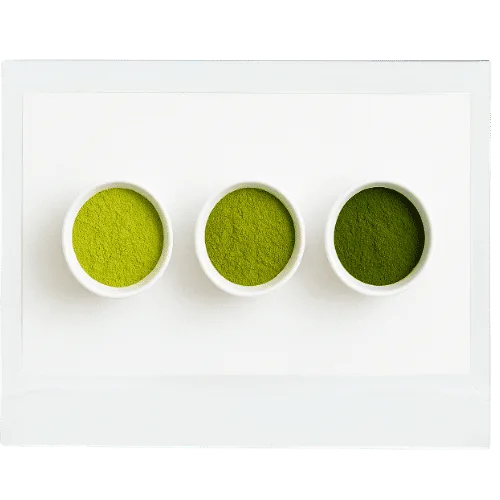
- Duller in colour (less vibrant green)
- Flatter in aroma
- More bitter or astringent
- Slightly dry or chalky in texture
These changes are gradual, but noticeable – particularly if you drink matcha regularly.
Matcha’s delicate compounds, including catechins such as EGCG, are responsible for both its flavour and its antioxidant profile. As outlined by the Japan Matcha Association, these compounds are sensitive to light, air, and heat – which is why freshness plays such an important role in both taste and quality.
When you buy matcha in Australia, look for:
- Smaller batch sourcing
- Clear attention to storage and handling
- Reasonable restock cycles rather than endless availability
Freshness rarely needs loud marketing. It’s usually evident in taste.
For a deeper look at how to judge this for yourself, read our guide on how to tell if matcha is high quality.
2. Storage Is Part of Matcha Quality
How matcha is kept once it arrives matters just as much as where it came from.
Matcha is finely milled and highly exposed to air. Even small amounts of light, heat, or moisture can dull its flavour and fade its colour over time.
Good matcha should be:
- Sealed well
- Stored away from heat and light
- Treated as perishable, not shelf-stable
Pouches vs Tins – Does It Matter?
Both can work – but how they’re used makes the difference.
Pouches
High-quality, resealable pouches with foil lining protect well during shipping and short-term storage. However, they rely on being sealed carefully after each use. If left loosely closed, oxidation happens quickly.
Tins
Tins offer stronger protection from light and physical damage. They’re often better for longer storage, particularly if they’re opaque and airtight.
The container itself isn’t the only signal – but thoughtful storage practices usually reflect thoughtful sourcing.
Brands that speak clearly about how their matcha is stored tend to care about what happens after harvest, not just before it.
3. Japanese Origin Is Important – But Not Everything
Japanese origin matters, but it isn’t a guarantee on its own.
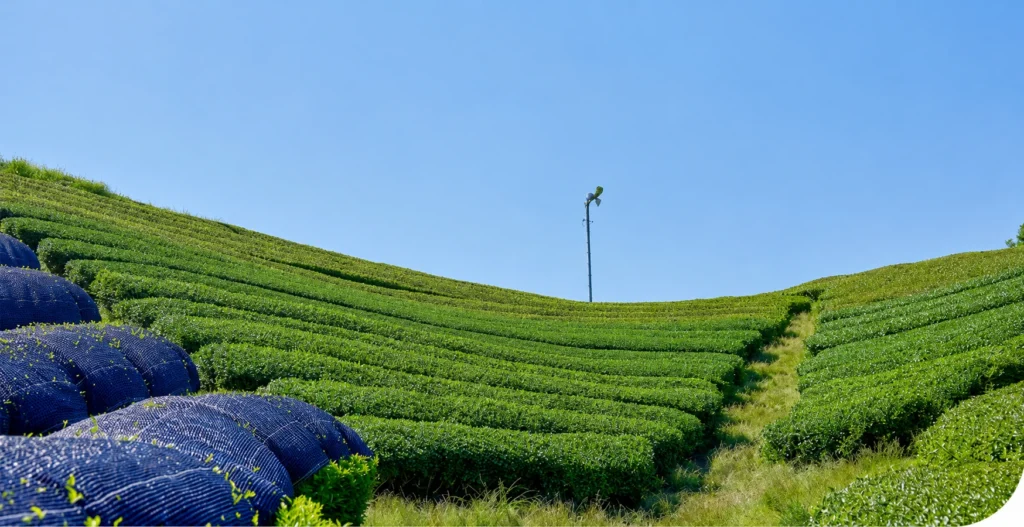
There are several respected matcha-growing regions in Japan, each with their own character.
- Uji – often considered the historical heart of matcha cultivation, known for refined, balanced flavour
- Nishio – recognised for vibrant colour and depth
- Shizuoka – one of Japan’s largest tea-producing areas
- Kagoshima – known for its warmer climate and smooth profiles
As highlighted in Japan’s official overview of tea regions, Uji, Kyoto holds particular historical significance. Many traditional tea producers are based there, and its growing methods have shaped ceremonial matcha standards for centuries.
That said, quality is shaped by more than geography alone. For a fuller breakdown of what “ceremonial” actually means, read what is ceremonial matcha.
4. Choose Matcha for How You Actually Drink It
Buying matcha isn’t about chasing the highest grade – it’s about choosing what suits your daily rhythm.
Different matcha styles are milled and selected with different uses in mind.
Nami matcha
Often slightly fuller in body with a balanced, rounded flavour. It holds its character well when paired with milk, making it well suited to matcha lattes.
Goku matcha (extra fine)
Stone-milled to a finer texture, resulting in a silkier mouthfeel and softer integration with water. The flavour tends to be more delicate and refined – best appreciated without milk.
If you prefer traditional preparation, consider how you drink it:
- Usucha – a thinner tea whisked with more water
- Koicha – a thicker, more concentrated preparation
When you buy matcha Australia, the best choice is the one that fits your real habits – not an abstract ideal.
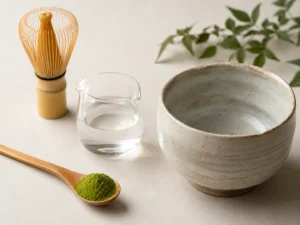
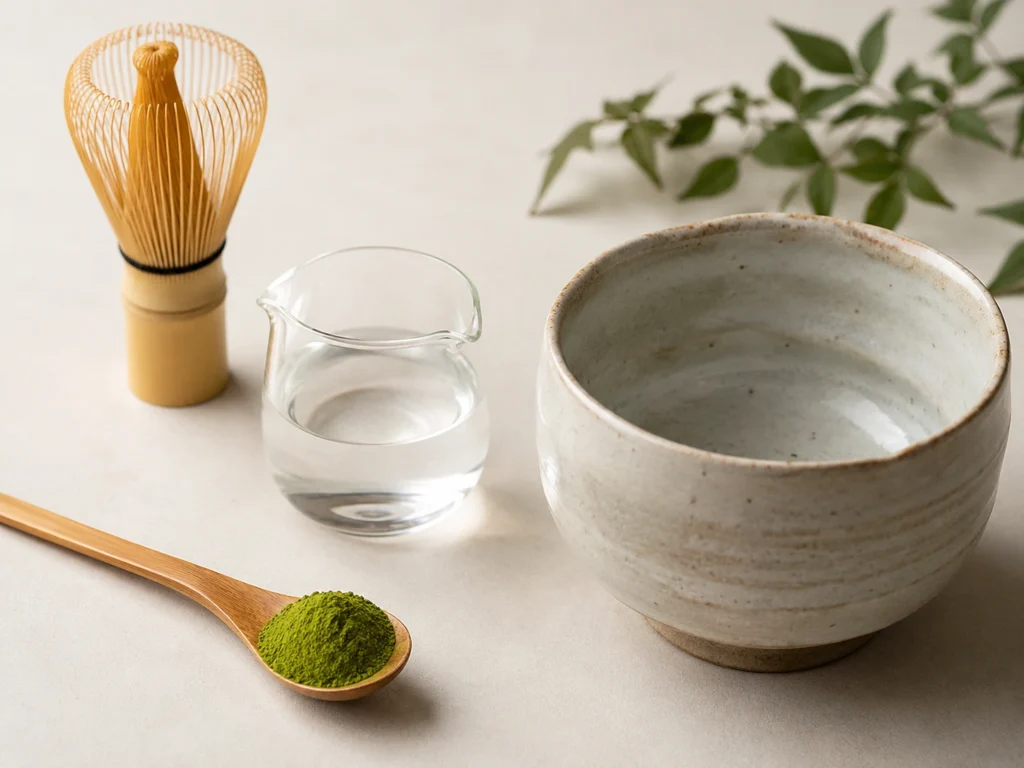
If you’re preparing matcha traditionally, the tools you use can also influence texture and experience. A simple whisk and bowl are often enough – as we explore in our guide to essential matcha tools.
Want the simple version? Browse the Matcha Byron Bay range or use the comparison below to find your fit.
5. Compare Matcha Byron Bay by Use Case
Rather than guessing between grades and names, here is how our range breaks down by how you actually plan to drink it.
| Product | Best for | Why it fits |
|---|---|---|
| Nami | Everyday ceremonial drinking and home lattes | Smooth, balanced, organic, and easy to prepare daily without overthinking it |
| Goku | Quiet, traditional ceremonial bowls | Finer, silkier texture suited to slower, more deliberate drinking with water alone |
| Complete Nami Ritual Set | First-time buyers starting from scratch | Includes Nami, bowl, bamboo whisk, scoop, and whisk stand, so there is nothing else to source |
| Wholesale and cafe supply | Cafes and businesses needing consistent volume | Reliable grade and supply for cafe-style lattes and consistent batch preparation |
If you are new to matcha, Nami is the simplest place to begin. If you already drink matcha regularly and want a more refined bowl, Goku is the natural upgrade. If you are setting up matcha service for a cafe or business, our wholesale supply page covers volume and consistency.
6. Smaller Ranges Often Signal Greater Care
The best place to buy matcha in Australia is often one that feels considered rather than expansive.
A smaller range.
Clear purpose.
No urgency.
Those are often signs the tea itself has been given time.
An extensive catalogue isn’t necessarily a problem — but matcha is a product that benefits from focus.
Careful sourcing takes time.
Seasonal harvests limit availability.
Fresh stock requires attentive restocking cycles.
When a brand offers dozens of variations year-round, it’s worth asking how that consistency is maintained.
By contrast, a more restrained selection often suggests:
- Deliberate curation rather than trend expansion
- Smaller production runs
- Attention to storage and turnover
- A clear understanding of how each matcha is meant to be used
It also makes choosing easier.
Rather than overwhelming you with grades, regions, and superlatives, a refined range tends to guide you quietly toward what suits your needs.
In that sense, less can signal confidence.
When you buy matcha in Australia, the experience should feel steady – not urgent. Considered – not crowded.
Often, the tone of a brand reflects the care given to the tea itself.
7. Look for Transparency, Not Hype
Careful brands talk about specifics.
They speak clearly about:
- Harvest seasons
- Storage methods
- Intended use
- Flavour profile
They’re comfortable explaining how their matcha is grown, milled, stored, and selected – without overcomplicating it.
Transparency often shows up in small details:
- When the tea was harvested
- Whether it’s intended for latte or traditional preparation
- How it should be stored at home
- What flavour notes you can realistically expect
This kind of information helps you choose well.
By contrast, dramatic claims can sometimes distract from substance.
Phrases like:
- “Highest grade ever”
- “Ultra-premium ceremonial”
- “World’s best matcha”
sound impressive – but rarely explain what makes the tea suitable for your daily use.
Even grading language can be overused. “Ceremonial grade” isn’t a regulated standard outside Japan, and without context, it doesn’t guarantee how the matcha will taste in your cup.
Clarity is usually the better signal.
When a brand explains their matcha in measured terms – how it tastes, how it’s milled, what it’s suited for – it suggests confidence in the product itself.
The goal isn’t to be dazzled. It’s to understand what you’re choosing.
And when you buy matcha in Australia, understanding matters more than embellishment.
Choosing With Intention
When you buy matcha in Australia, you’re not simply purchasing a product – you’re choosing something that may become part of your daily rhythm.
Unlike occasional luxuries, matcha is often consumed regularly. It becomes part of a morning pause. An afternoon reset. A quiet transition between moments.
The right matcha is the one that:
- Tastes clean
- Feels balanced
- Encourages consistency
It shouldn’t demand effort to enjoy.
Over time, subtle differences become more noticeable. You begin to recognise texture. Sweetness. Depth. The way it settles on the palate. The way it makes you feel afterward.
That familiarity matters.
Choosing with intention means selecting a matcha you’ll return to – not one that impresses briefly, but one that supports repetition.
A matcha that integrates easily into your habits tends to be appreciated more deeply than one chosen for status or novelty.
When you buy matcha in Australia, the goal isn’t perfection. It’s alignment.
Quality tends to reveal itself quietly over time.
Frequently asked questions
Where is the best place to buy matcha in Australia?
The best place to buy matcha in Australia is a brand that is transparent about origin, freshness, and storage, and that helps you choose between ceremonial and culinary use. A smaller, considered range is often a stronger signal than an extensive catalogue.
Is it better to buy matcha from Japan directly or from an Australian seller?
Genuine matcha is grown and processed in Japan either way. An Australian seller handles importing, storage, and local distribution, which can mean fresher stock and quicker delivery if they manage freshness and turnover carefully.
How do I know if matcha sold in Australia is fresh?
Look for smaller batch sourcing, clear restock cycles, and opaque, airtight packaging. Fresh matcha should taste smooth and rounded rather than flat, dusty, or aggressively bitter.
What should I buy if I am new to matcha?
Nami is a good starting point for most new matcha drinkers, since it is balanced enough for both water and milk. The Complete Nami Ritual Set includes everything needed to begin.
Can I buy matcha in Australia for a cafe or business?
Yes. If you need consistent grade and volume for cafe-style lattes or commercial use, see our wholesale matcha supply page.
Does “ceremonial grade” guarantee quality when buying matcha in Australia?
No. “Ceremonial grade” is not a regulated term outside Japan, so it does not guarantee freshness, taste, or texture on its own. Origin, milling, freshness, and storage matter just as much as the label.
Begin with the matcha that fits you
To buy matcha Australia well, look for freshness, clear origin, and a brand that helps you choose rather than overwhelms you.