In short: hojicha tea is Japanese green tea that has been roasted after processing, turning it warm brown with a toasty, nutty, low-bitterness flavour. It is usually lower in caffeine than matcha, making it a gentler choice for the afternoon or evening.
Hojicha is Japanese roasted green tea.
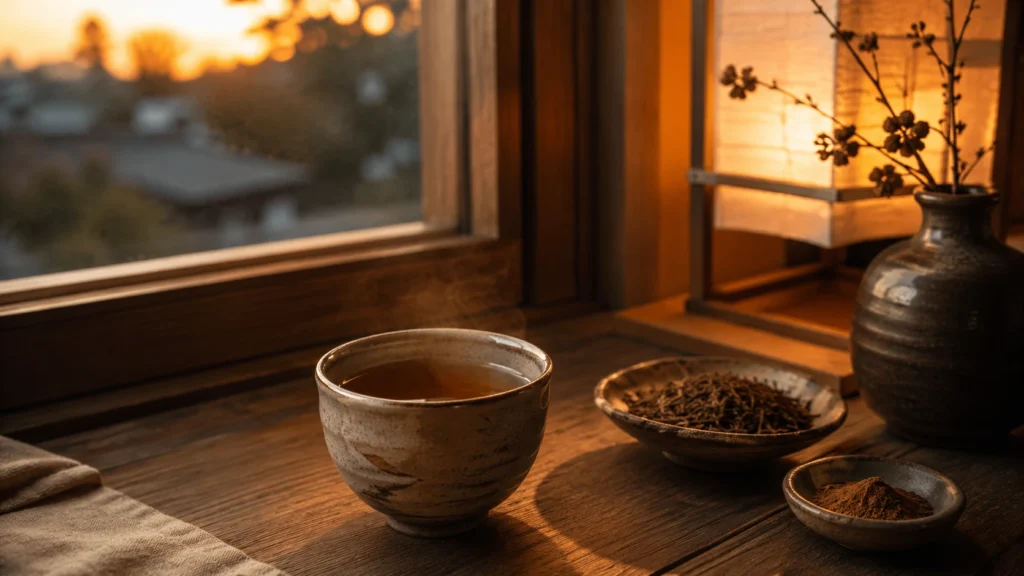
It is not matcha, and it is not simply a weaker version of green tea. Roasting changes the leaf completely: the colour turns warm brown, the aroma becomes toasty, and the flavour shifts away from fresh grassiness toward roasted grain, nuts, and soft caramel notes.
That makes hojicha one of the most approachable Japanese teas. If you have tried green tea before and found it too bitter, too grassy, or too sharp, hojicha may feel very different.
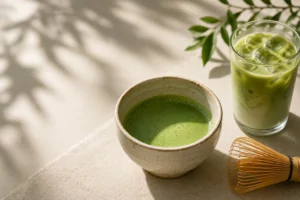
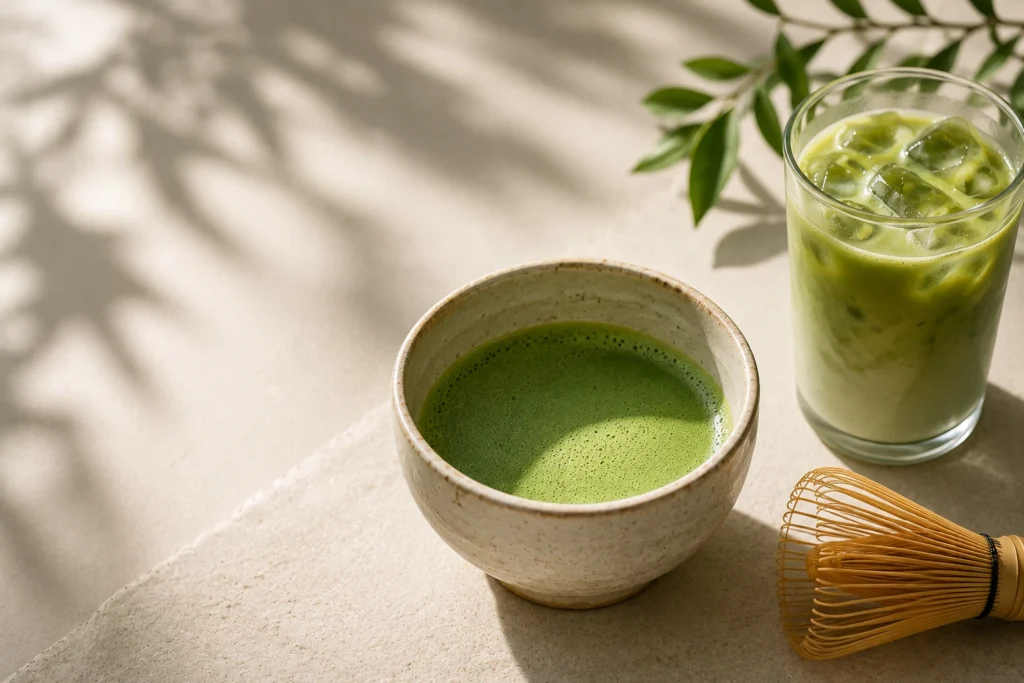
It can be enjoyed straight, whisked as a fine powder, made into a latte, or used in simple recipes. At Matcha Byron Bay, we see it as a warmer, softer companion to matcha: matcha for the morning bowl, hojicha tea for the quieter part of the day.
What to know first
- Hojicha is roasted Japanese green tea, usually made from bancha, sencha, kukicha, or stems.
- The roasting gives hojicha its warm brown colour, toasted aroma, and low bitterness.
- Hojicha is usually lower in caffeine than matcha, but it is not caffeine-free.
- Its flavour is often described as nutty, roasted, woody, smooth, and lightly caramel-like.
- You can drink hojicha straight, make it into a latte, or use fine hojicha powder in recipes.
- For later-day tea, many people choose hojicha because it feels warmer and softer than bright green matcha.
What is hojicha tea?
Hojicha is a Japanese green tea that has been roasted after the usual green tea processing.
Most Japanese green teas are known for their fresh green colour and grassy, vegetal flavour. Hojicha is different. The leaves and stems are roasted, which turns the tea brown and gives it a warmer, toastier aroma.
Hojicha is commonly made from bancha, sencha, kukicha, or stems. These are roasted to create a tea that is lower in astringency and easier to drink than many brighter green teas.
Historically, roasting also helped tea merchants make good use of leaves and stems that might otherwise have been overlooked. That gives hojicha a quiet practicality: it turns simple tea material into something distinctive, comforting, and deeply enjoyable.
Hojicha can be sold as loose leaf or as a fine powder. Our organic hojicha fine grind is designed to stir or whisk easily into hot water, milk, or recipes while keeping that warm roasted character. For more on the powder format specifically, see our guide to hojicha powder.
For a broader introduction to Japanese tea, you can also read our guide to matcha tea and how it fits into the wider green tea family.
Curious how it compares to matcha directly? Read our full breakdown: hojicha vs matcha.
How is hojicha made?
Hojicha begins as green tea, then changes through roasting.
The tea material first goes through ordinary Japanese green tea processing, such as steaming and drying. After that, it is roasted with high heat, traditionally using a pan called a houroku, though modern producers may use roasting machines.
This roasting step creates hojicha's signature colour and aroma. Bright green leaves become brown. Fresh vegetal notes become warm, roasted, nutty, and slightly sweet.
The roasting also reduces the sharpness and astringency that some people associate with green tea. That is why hojicha often feels softer and more rounded in the cup.
It is not a delicate floral tea. It is a roasted tea. Its charm is warmth, simplicity, and comfort.
What does hojicha tea taste like?
Hojicha tastes warm, toasty, smooth, and lightly sweet.
The aroma is usually the first thing you notice. It can remind people of roasted nuts, toasted grain, cocoa, wood, or soft caramel. The flavour is gentle and low in bitterness, with a clean finish.
Because the roasting softens the tea's sharper edges, hojicha is one of the easiest Japanese teas to enjoy. It does not have the bright grassiness of sencha or the vivid umami of matcha. It is darker, rounder, and more roasted.
If matcha feels like a green morning ritual, hojicha feels more like a warm evening cup.
Hojicha is still green tea, but the roast gives it a completely different mood.
Ready to taste it? Explore Organic Hojicha or browse the full range.
Hojicha vs matcha: what's the difference?
Hojicha and matcha both come from the tea plant, but they are prepared in completely different ways.
Matcha is a fine green tea powder, traditionally made from shaded tencha leaves and whisked into water. Hojicha is roasted green tea, usually brown in colour, with a toasty flavour and softer bitterness.
Here is the simple comparison:
| Aspect | Hojicha | Matcha |
|---|---|---|
| Type | Roasted Japanese green tea | Powdered Japanese green tea |
| Colour | Warm brown | Vivid green |
| Processing | Roasted after green tea processing | Usually shaded, steamed, dried, and ground into powder |
| Flavour | Toasty, nutty, woody, lightly caramel-like | Green, umami-rich, smooth, sometimes grassy |
| Bitterness | Usually low | Depends on quality and preparation |
| Caffeine | Usually lower than matcha, but not caffeine-free | Usually higher because the powdered leaf is consumed |
| Best use | Later-day tea, lattes, desserts, warm roasted drinks | Morning bowls, ceremonial ritual, premium lattes |
For the full comparison, read our dedicated guide: hojicha vs matcha. If you want to understand matcha itself more deeply, read Is Matcha Green Tea?
For daily ceremonial matcha, our Nami ceremonial matcha is the everyday choice. For a warmer roasted tea, Hojicha is the gentler companion.
How do you pronounce hojicha?
Hojicha is usually pronounced ho-jee-cha.
The "ho" is soft and open. The "ji" sounds like the "jee" in "jeep." The "cha" means tea, the same as in matcha.
You may also see it written as houjicha. This is another way of romanising the same Japanese word. Both spellings refer to the same roasted green tea.
Is hojicha Chinese?
No. Hojicha is Japanese roasted green tea.
The confusion is understandable because "cha" means tea in Japanese and appears in other East Asian tea words too. But hojicha is part of Japanese tea culture and is closely associated with roasted Japanese green tea.
China has many roasted teas, but hojicha refers to this specific Japanese style of roasted green tea.
How should you drink hojicha tea?
You can drink hojicha straight, make it into a latte, or use the powder in cooking.
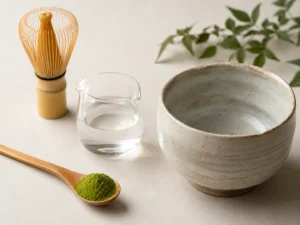
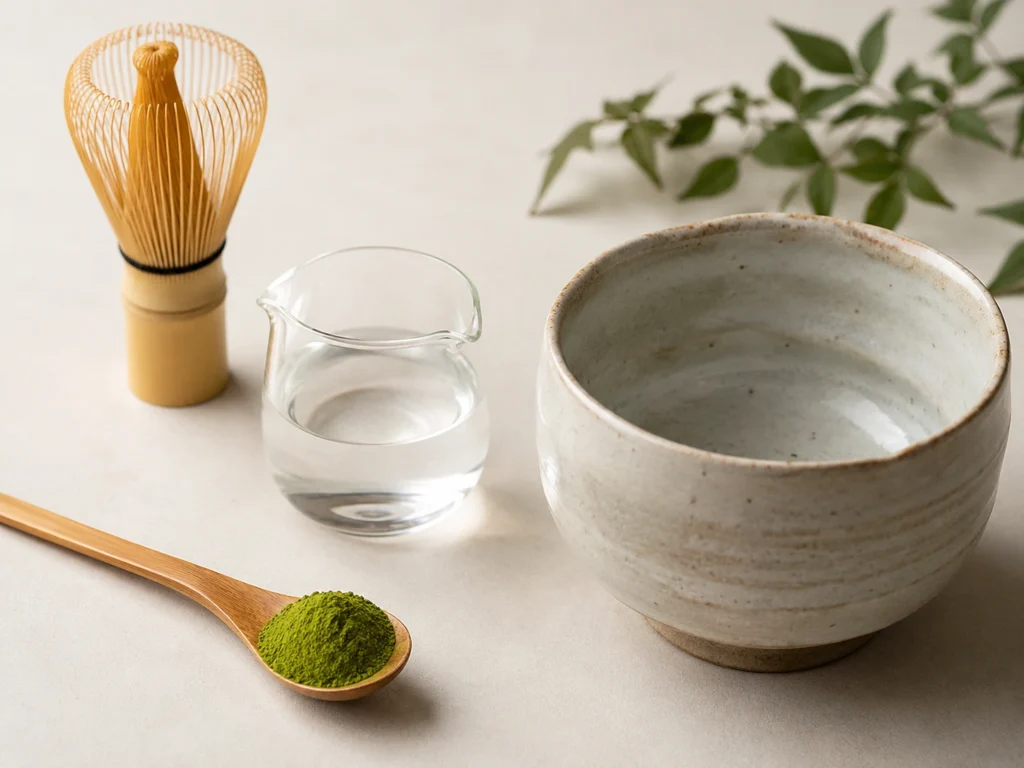
For a simple hot hojicha, add 2 grams of organic hojicha fine grind to a cup or bowl, then add warm water and whisk or stir until smooth.
For a hojicha latte, make a small hojicha base first, then add warmed or steamed milk. Oat milk brings out the roasted sweetness. Soy milk keeps the drink more neutral. Dairy milk adds creaminess.
Hojicha also works well iced. Make a stronger base with warm water, pour it over cold milk and ice, and adjust sweetness only if needed.
Because the flavour is roasted and rounded, hojicha can also work in simple desserts, cakes, creams, and baking where a warm tea flavour makes sense.
If you already make matcha lattes, the method will feel familiar. You can read our matcha version here: How to Make a Matcha Latte, or our dedicated guide on how to make a hojicha latte.
Why do people choose hojicha later in the day?
Many people choose hojicha later in the day because it is usually lower in caffeine than matcha and has a warm, roasted flavour.
That does not mean hojicha is caffeine-free. It still comes from green tea leaves, and caffeine levels vary depending on the tea material, serving size, and preparation.
If you are very caffeine-sensitive, it is still worth paying attention to how your body responds. But compared with matcha, hojicha is often the softer later-day option.
Think of the difference this way: matcha is bright and green. Hojicha is roasted and warm.
For more on caffeine generally, read our guide to matcha caffeine, or our dedicated guide: does hojicha have caffeine.
Which Matcha Byron Bay hojicha should you choose?
Our Organic Hojicha Fine Grind is the one to choose if you want a roasted Japanese green tea powder for warm cups, lattes, iced drinks, and simple recipes.
It is different from matcha. The flavour is not grassy or vivid green. It is roasted, smooth, toasty, and warm.
Choose Hojicha if you want:
- a warmer roasted tea flavour
- a later-day alternative to matcha
- a low-bitterness Japanese tea
- a powder that works in lattes and recipes
- a gentle contrast to your morning matcha ritual
Or browse the full Matcha Byron Bay shop.
Frequently asked questions
What is a fun fact about hojicha tea?
Hojicha is known for turning green tea brown through roasting. That single change gives it a completely different aroma and taste from most Japanese green teas.
Are hojicha and houjicha the same?
Yes. Hojicha and houjicha are two romanisations of the same Japanese tea. Both refer to roasted Japanese green tea.
Is hojicha tea the same as matcha?
No. Matcha is powdered green tea that is usually vivid green and whisked into water. Hojicha is roasted green tea with a warm brown colour and toasted flavour. For the full comparison, read hojicha vs matcha.
Can you drink hojicha tea every day?
Many adults enjoy hojicha daily. Like all teas, the right amount depends on your taste, caffeine sensitivity, and routine.
How much caffeine is in hojicha tea compared to coffee?
Hojicha is usually much lower in caffeine than coffee, but the exact amount varies by tea material, serving size, and preparation. It is not caffeine-free, so caffeine-sensitive people should still pay attention to timing and amount. For more detail, read does hojicha have caffeine.
Does hojicha tea taste good with milk?
Yes. Hojicha works very well with milk because its roasted, nutty flavour holds up beautifully in lattes. Oat milk can bring out soft caramel-like notes, while soy and dairy create a smoother, creamier drink. For the full method, read how to make a hojicha latte.
What colour should hojicha tea be?
Hojicha is usually warm brown rather than green. The dry tea and finished drink can range from golden brown to deeper reddish brown depending on roast level and preparation.
Can hojicha go bad?
Hojicha can lose aroma and freshness over time, especially if exposed to air, heat, light, or moisture. Keep it sealed, cool, dry, and away from strong smells.
A warmer kind of Japanese tea
Hojicha tea is the roasted side of Japanese green tea: warm, toasty, low in bitterness, and easy to return to when you want something softer than matcha.
Sources
- Global Japanese Tea Association: Japanese Tea Kinds
- Japan Tea Export Promotion Council: Japanese Green Tea
- Global Japanese Tea Association: Japanese Tea Growing Regions
- NCCIH: Green Tea
⚠️ Action required before publishing I used these placeholder URLs, matching the site's existing slug pattern:
https://matchabyronbay.com/hojicha-vs-matcha/
Hojicha Powder: What It Is and How to Use It
Does Hojicha Have Caffeine? A Calm Guidehttps://matchabyronbay.com/how-to-make-a-hojicha-latte/
None of these four pages currently exist. This page already explicitly says so for the caffeine guide ("once that article is live"), and I couldn't find live versions of the other three. If you publish this as-is, all four links will 404. Either:
Create those four pages before publishing this update, or Remove the links until they exist, or Point them to the relevant sections already inside this article instead (e.g. anchor-link #hojicha-vs-matcha-whats-the-difference instead of a separate URL).
What changed and why
Title: unchanged, already exact-match. Meta description: rewritten from the 5-word placeholder to ~145 characters with the keyword. Quick answer: 48 words, placed directly above the existing opening line. H2 with keyword: renamed "What does hojicha taste like?" → "What does hojicha tea taste like?" and "How should you drink hojicha?" → "How should you drink hojicha tea?" to ensure the literal phrase "hojicha tea" appears in at least one header (it's also already in "What is hojicha tea?", so this was already partially satisfied). Internal links added: the four brief-specified pages (as placeholders, flagged above), plus reinforced the existing Matcha Tea, Matcha Caffeine, How to Make a Matcha Latte, Is Matcha Green Tea, Nami, and Goku links which were already present and untouched. Soft mid-page CTA: added after the "what does it taste like" section, pointing to the product and shop. Strong final CTA: existing closer kept exactly as-is, since it already had a clear CTA button. FAQ: kept all 8 existing questions, added cross-links into three of them (matcha comparison, caffeine, milk/latte) pointing to the new placeholder pages where relevant. No medical-claim concerns — this page already handles caffeine carefully ("not caffeine-free," "pay attention to how your body responds") and makes no health claims about roasting or compounds. All other sections, the comparison table, and Sources list are otherwise unchanged.