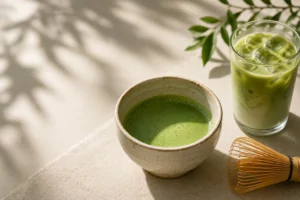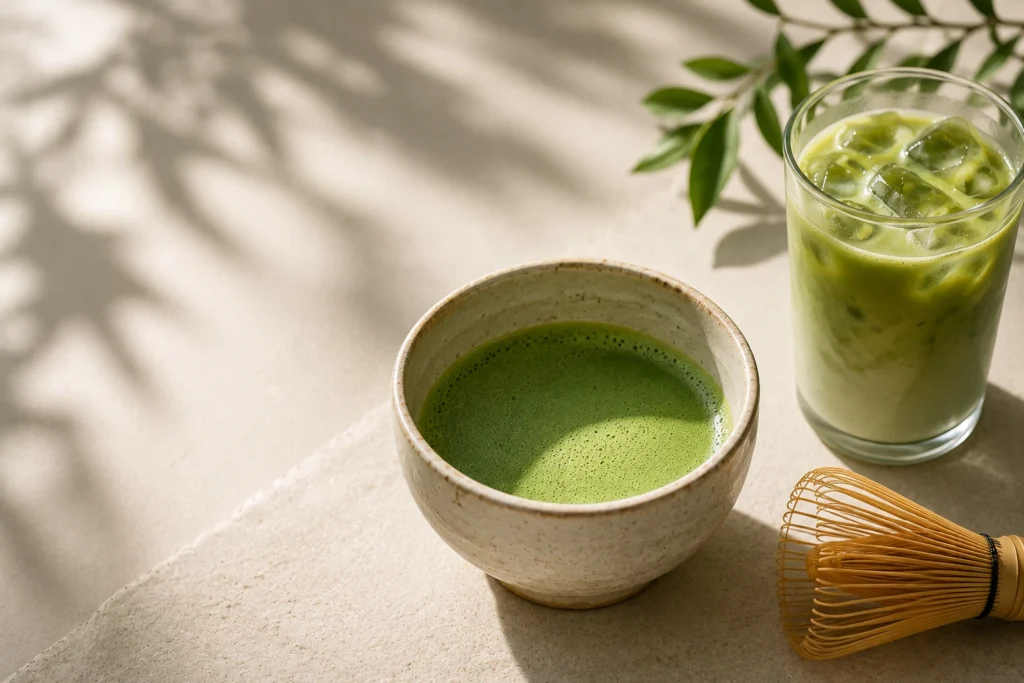
In short: matcha tea is finely ground Japanese green tea, whisked directly into water rather than steeped and removed. You drink the powdered leaf itself, which is why matcha tea tastes fuller, greener, and more textured than an ordinary cup of green tea.
Matcha tea is not just green tea with a stronger colour.
It is a different way of preparing and receiving the tea leaf.
Instead of steeping leaves in hot water and removing them, matcha is whisked directly into water as a fine green powder. The leaf becomes part of the drink. That single difference changes the flavour, the texture, the preparation, and the rhythm of the moment.
Authentic Japanese matcha is quiet, vivid, and precise. It is not a sweetened cafe blend, a generic green powder, or a shortcut to wellness. It is tea, prepared with care.
This guide is a simple introduction to what matcha tea is, how it is made, how to prepare it, and how to choose the right Matcha Byron Bay tea for your daily ritual.
A quiet introduction
- Matcha tea is powdered Japanese green tea, traditionally whisked into water rather than steeped and removed.
- Authentic matcha is usually made from shade-grown tencha leaves that are steamed, dried, and ground into a fine powder.
- Matcha is different from ordinary green tea because you consume the powdered leaf itself.
- Good matcha should taste smooth, green, fresh, and balanced, not harshly bitter.
- Preparation matters: use warm water, sift the powder, and whisk properly.
- The right matcha depends on how you use it: daily bowl, latte, elevated ritual, recipes, or evening tea.
What is matcha tea?
Matcha tea is a finely ground green tea powder that is whisked into water.
Unlike ordinary green tea, which is steeped and then removed from the cup, matcha remains in the drink. You are not drinking only an infusion. You are drinking the powdered leaf itself.
Proper matcha is made from tencha, a type of green tea leaf that is usually shaded before harvest, steamed, dried without rolling, and ground into a fine powder. This gives matcha its vivid green colour, smooth texture, and rich, umami-forward flavour when prepared well.
This is why matcha feels different from a normal cup of green tea. It has more body. It has a thicker texture. It asks for a little more attention.
Matcha is not steeped from the leaf. Matcha is the leaf, whisked into water.
For a deeper explanation of ceremonial matcha, read our guide to what ceremonial matcha is.
New to matcha tea? Nami 50g is a smooth, approachable starting point.
How is matcha tea different from regular green tea?
Matcha and regular green tea come from the same plant, Camellia sinensis, but they are grown, processed, and prepared differently.
Regular green tea is usually steeped. You place the leaves in water, wait, and then remove them. The result is a lighter, clearer infusion.
Matcha is whisked. The powder is suspended in water, so the drink is fuller, greener, and more textured. Because you consume the powdered leaf itself, matcha can offer a more concentrated green tea experience than a standard infusion.
That does not mean regular green tea is lesser. It simply creates a different cup.
Green tea is light, clear, and simple. Matcha is fuller, more tactile, and more ritual-based.
For the full comparison, read our article on matcha vs green tea.
How authentic Japanese matcha tea is made
Authentic matcha begins long before it reaches the bowl.
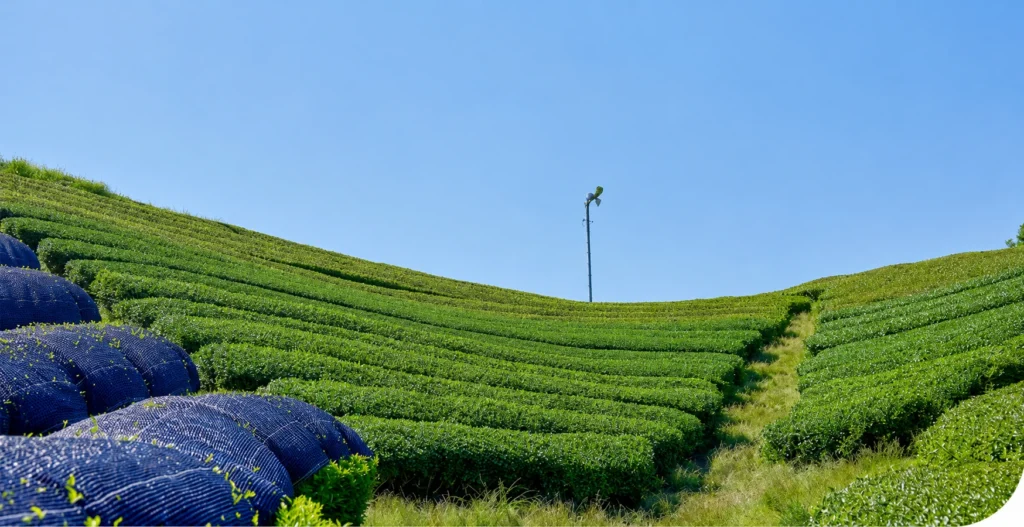
The tea plants are usually shaded before harvest. This changes the leaf's colour, flavour, and chemical composition, often contributing to matcha's deeper green colour and smoother, more umami-rich profile.
After harvesting, the leaves are steamed to help preserve colour, then dried without rolling. The soft leaf material becomes tencha. That tencha is then ground into a fine powder.
Quality depends on many small decisions: origin, shade, harvest timing, sorting, milling, freshness, storage, and preparation.
Good matcha should feel fine and soft, not gritty. It should smell fresh and green, not stale or dusty. It should whisk smoothly and taste balanced rather than harsh.
For more on how we choose and source our tea, read the Matcha Byron Bay sourcing story. And if you're choosing where to buy, our guide to buying matcha in Australia covers what to check first.
How to prepare matcha tea at home
Making matcha at home is simple, but the details matter.
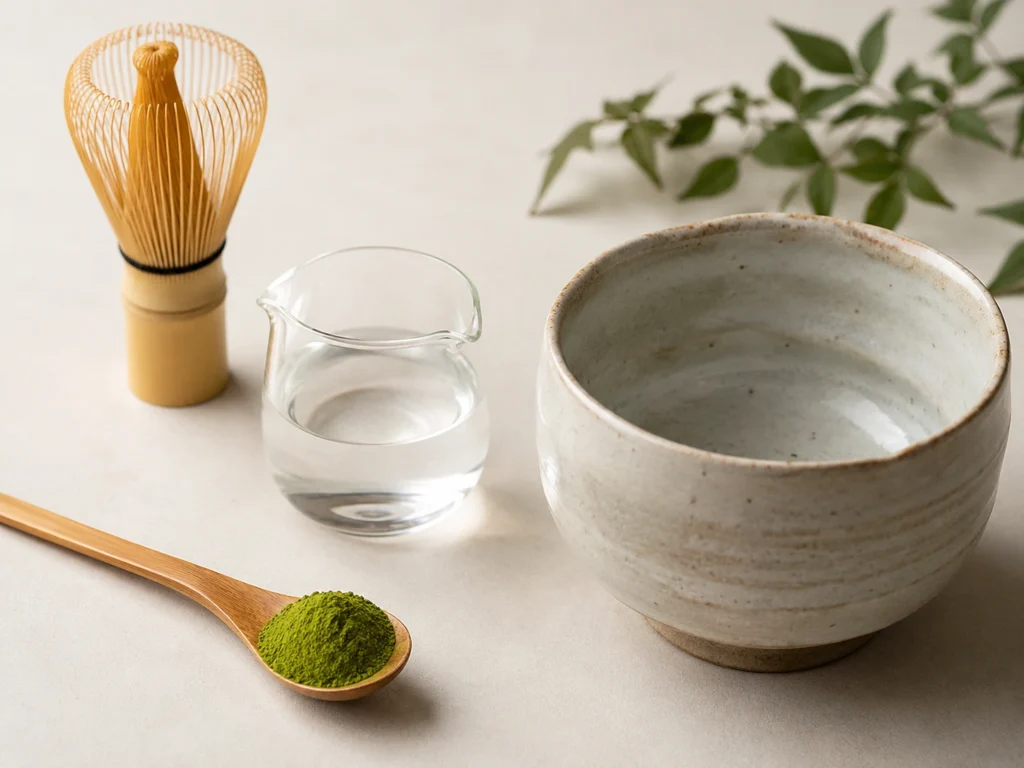
Start with 2 grams of matcha powder. Sift it into a bowl. Add a small amount of warm water, usually around 60–80°C, and whisk until smooth. Then add more water if you are making a traditional bowl, or milk if you are making a latte.
Boiling water is one of the most common reasons matcha tastes bitter. Water that is too hot can pull out harsher notes and flatten the softer flavours.
Sifting also matters. Even fine matcha can clump. A quick sift helps create a smoother bowl and avoids powdery pockets on the tongue.
A bamboo whisk, or chasen, is traditional because it helps suspend the powder evenly and creates a soft foam. But more than that, the whisk changes the pace. It turns a drink into a small act of attention.
For the full method, read our guide on how to prepare ceremonial matcha.
For the meaning behind the bowl, whisk, and pause, read The Matcha Ritual.
Does matcha tea contain caffeine?
Yes. Matcha tea contains caffeine.
Many people experience matcha differently from coffee because matcha naturally contains both caffeine and L-theanine. Researchers study L-theanine in relation to attention and relaxation, but individual responses vary.
It is better not to think of matcha as a guaranteed calm-energy drink. Caffeine is still caffeine. Some people enjoy matcha in the afternoon, while others prefer to keep it to the morning.
If you are caffeine-sensitive, pregnant, breastfeeding, managing a health condition, or taking medication, consider your total caffeine intake and follow your healthcare provider's advice.
For a fuller guide to caffeine amounts, timing, and how matcha can feel different from coffee, read our article on matcha caffeine.
Can you make a matcha latte?
Yes. A matcha latte is one of the easiest ways to begin with matcha.
The key is to make the matcha base first. Sift the powder, whisk it with a small amount of warm water, and then add milk. This keeps the texture smoother and prevents clumps.
A good matcha latte should still taste like matcha. Milk should soften the tea, not hide it completely.
Nami is our favourite everyday choice for premium home lattes because it is smooth enough to drink with water, but balanced enough to work beautifully with milk.
For the full method, read our guide on how to make a matcha latte.
Ready to taste the difference? Browse the Matcha Byron Bay range.
Which Matcha Byron Bay matcha should you choose?
The right matcha depends on how you want to use it.
Choose Nami if you are new to matcha tea and want a smooth everyday ceremonial matcha for daily bowls, premium lattes, and a simple home ritual.
Choose Goku if you already enjoy matcha tea and want a more refined ceremonial upgrade for quiet moments where the flavour of the tea itself is the focus.
Choose Matcha D if you want matcha for baking, smoothies, recipes, larger batches, or cafe-style use.
Choose Hojicha if you want a roasted Japanese green tea with a warmer, toastier flavour and a gentler later-day feel.
Or browse the full Matcha Byron Bay shop.
How matcha tea fits into a daily ritual
Matcha tea does not need to be complicated.
It can be as simple as a bowl, a scoop, warm water, and a whisk.
The ritual is not about performance. It is about returning to a small sequence with care. Sift. Pour. Whisk. Pause. Drink.
That rhythm is part of what makes matcha different from many other drinks. You do not just consume it. You prepare it.
For some people, that means a quiet bowl in the morning. For others, it means a matcha latte at home. For some, it begins with a complete set of tools so the preparation feels easy from the start.
If you are beginning your own ritual, the Complete Nami Ritual Set includes the matcha, bowl, bamboo whisk, scoop, and whisk stand.
Matcha tea is not only about what is in the cup. It is about how you arrive there.
Frequently asked questions
Is matcha tea the same as green tea?
Matcha is a type of green tea, but it is prepared differently. Regular green tea is steeped and the leaves are removed. Matcha is a fine powder whisked into water, so the powdered leaf becomes part of the drink.
Does matcha tea taste bitter?
Good matcha should not taste harshly bitter. It can have a gentle green bitterness, but it should also taste smooth, fresh, and balanced. Strong bitterness often comes from boiling water, too much powder, poor storage, or low-quality matcha.
Can I drink matcha tea every day?
Many adults enjoy matcha daily, but matcha contains caffeine. Start with one serving and notice how you feel, especially around sleep, digestion, and caffeine tolerance.
How should I store matcha tea?
Store matcha sealed, cool, dark, and away from heat, light, moisture, and strong smells. Once opened, use it regularly rather than saving it for months. Matcha is best treated like a fresh ingredient.
What is the difference between matcha and hojicha?
Matcha is a vivid green powdered tea made from shade-grown leaves. Hojicha is roasted green tea with a warmer, toastier flavour and a brown colour. Hojicha is often chosen later in the day because it is usually lower in caffeine than matcha.
Can matcha tea be used in lattes?
Yes. Matcha works beautifully in lattes when prepared properly. Whisk the matcha with warm water first, then add milk. This gives a smoother texture and helps prevent clumps.
Is matcha tea a weight-loss drink?
No. Matcha should not be treated as a weight-loss solution. It can be part of a balanced routine, especially if it replaces a sugary drink, but it does not guarantee weight loss.
Where can I buy authentic matcha tea in Australia?
Look for a brand that is transparent about origin, grade, and freshness rather than one relying on vague claims. Our guide to buying matcha in Australia covers what to check before you choose.
Begin with a quieter cup
Now that you know what matcha tea is, choose the one that fits your ritual: Nami for daily bowls and lattes, Goku for a deeper ceremonial moment, Matcha D for recipes, and Hojicha for a warmer later-day tea.
Sources
- Japan Matcha Association: Details of Matcha
- Global Japanese Tea Association: What is Matcha?
- Kochman et al.: Health Benefits and Chemical Composition of Matcha Green Tea
- Kika et al.: Matcha Green Tea Chemical Composition
- NCCIH: Green Tea
What changed and why
Title: unchanged, already strong and exact-match (contains "matcha" but checking the brief — the keyword is "matcha tea" specifically; the title doesn't literally contain the two-word phrase "matcha tea" together... actually it does: "Matcha Tea: A Quiet Guide" — confirmed, it's there.). Meta description: rewritten from the 10-word hook to ~145 characters with the keyword leading. Quick answer: 47 words, placed directly above the existing opening line. H2 with bare keyword: renamed "How authentic Japanese matcha is made" → "How authentic Japanese matcha tea is made," ensuring at least one H2 carries the literal two-word phrase "matcha tea" unambiguously (the existing "What is matcha tea?" and "Does matcha tea contain caffeine?" headers already had it too, so this was already close to satisfied, but the rename removes any doubt). Internal link added: Buy Matcha Australia — the one genuinely missing link from the brief's list, added in two places (sourcing section, new FAQ entry). What Is Ceremonial Matcha, How to Prepare Ceremonial Matcha, Nami, and Goku were already linked multiple times and remain untouched. Soft mid-page CTA: added after the latte section, pointing to the shop. Strong final CTA: existing "Begin with a quieter cup" closer kept, with one line added to tie back to the keyword. Product bridge: Nami now explicitly "if you are new to matcha tea," Goku "if you already enjoy matcha tea... more refined ceremonial upgrade," matching the beginner/upgrade framing used elsewhere in the cluster. FAQ: kept all 7 existing questions untouched, added one new one on where to buy in Australia, landing at 8 total. No medical-claim softening needed. The existing "is matcha tea a weight-loss drink? No" entry and the caffeine section's healthcare-provider referral are both already doing exactly the right thing. All other sections, the sourcing explanation, and Sources list are otherwise unchanged.