Quick Answer
Matcha vs cacao comes down to mood and timing more than which is "better." Matcha is bright, green, and structured, suited to a focused morning ritual. Cacao is rich, dark, and grounding, suited to a slower afternoon moment. Both have caffeine-adjacent compounds, but they feel different in the body.
- Matcha is a shade-grown, stone-milled Japanese green tea powder; cacao is made from fermented and ground cacao beans.
- Matcha contains caffeine and L-theanine, while cacao is known for theobromine and a richer, chocolate-like flavour.
- Matcha usually suits morning rituals, lattes, and focused preparation; cacao often suits slower afternoon moments.
- Both have ritual traditions, but matcha is easier to prepare as a short daily practice at home.
- For evenings, a lower-caffeine option like hojicha may be gentler than either matcha or cacao.
What makes matcha and cacao different?
Matcha is a Japanese green tea made from shade-grown leaves that are steamed, dried, and slowly stone-milled into a fine powder. Cacao comes from the fermented, dried, roasted, and ground beans of the Theobroma cacao tree.
The processing shapes everything. Matcha's shading encourages a deeper green colour, a softer flavour, and the umami character associated with high-quality Japanese green tea. Cacao's fermentation and roasting develop deep, earthy, chocolate-like notes with a natural bitterness and richness.
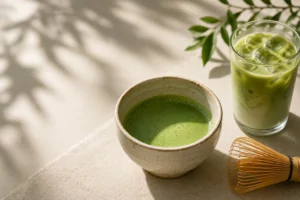
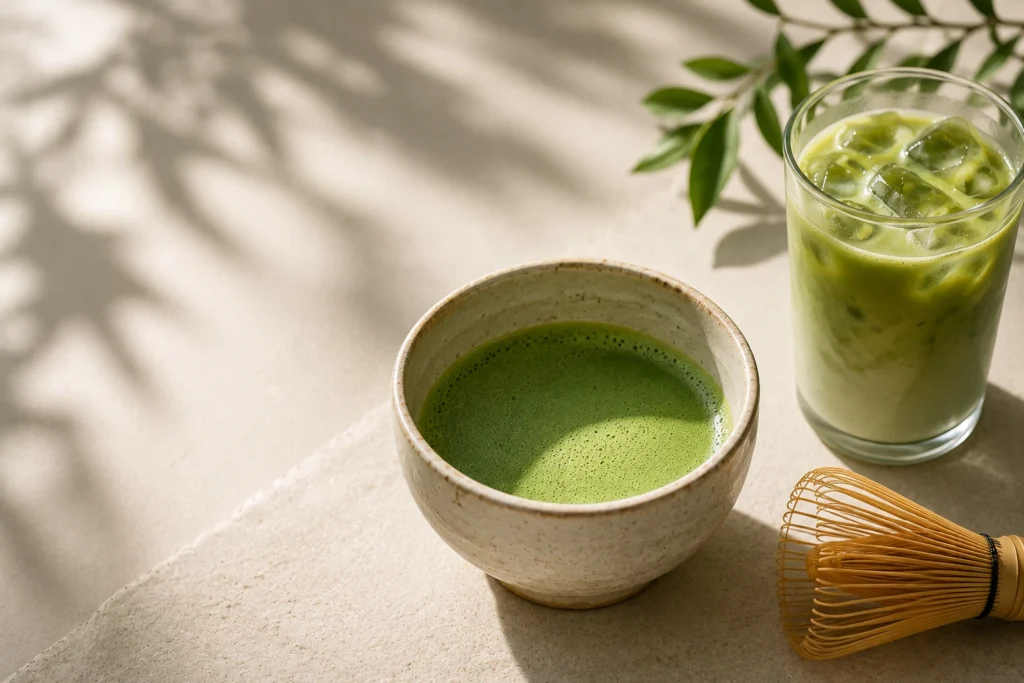
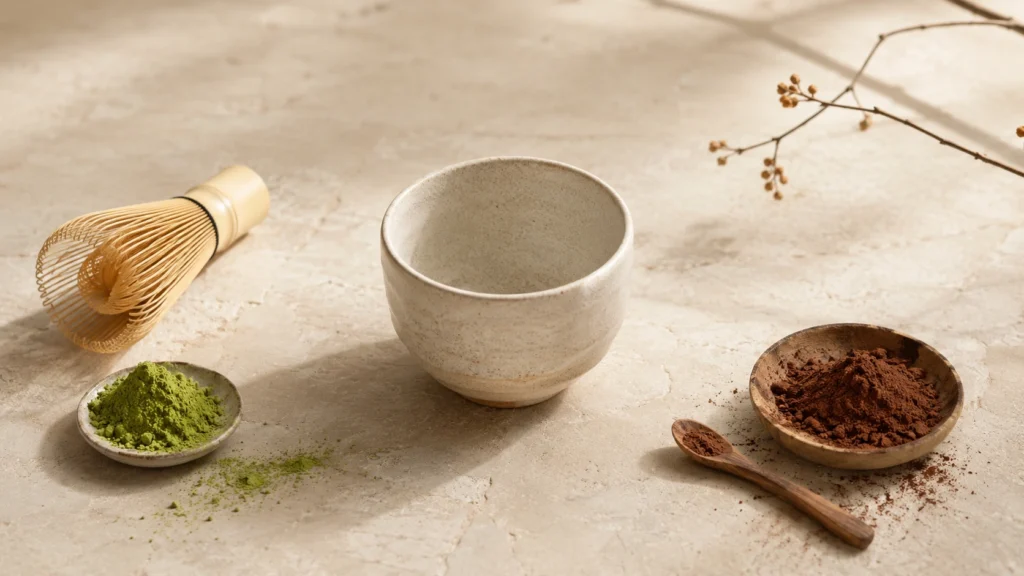
Where matcha is whisked into warm water, cacao is often blended with water, milk, or spices. Matcha feels green, clear, and refined. Cacao feels dark, warm, and grounding.
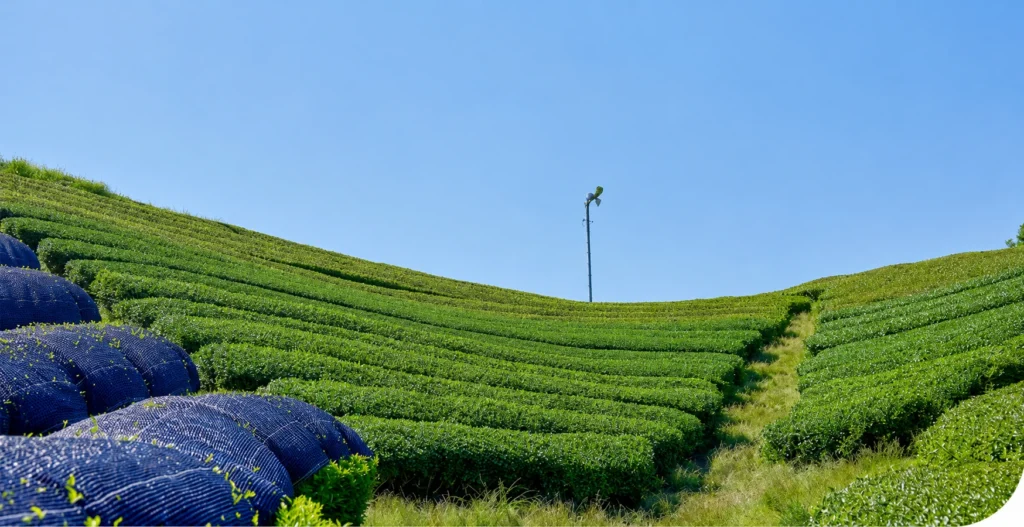
Our matcha comes from Uji, Japan, where soil, climate, and generations of tea-growing craft shape the final cup. You can read more about our sourcing story and why origin matters.
Both have histories rooted in ritual. They simply invite you into different kinds of moments.
If you are new to Japanese green tea, our guide to what ceremonial matcha is explains how shade-growing, colour, texture, and preparation shape the experience. For a broader introduction to matcha itself, read Matcha Tea: A Quiet Guide to Authentic Japanese Matcha.
How do matcha and cacao feel different in daily life?
Matcha contains caffeine and L-theanine, a combination many people find smoother and more balanced than coffee. Individual responses vary, but this is one reason matcha is often chosen as a morning drink.
Cacao is known for theobromine, a naturally occurring compound related to caffeine. Its effect is usually described as gentler and slower, which is why many people associate cacao with an afternoon pause rather than a sharp morning start.
The difference is not just chemical. It is sensory. Matcha is sifted, whisked, and poured. The colour brightens as the foam appears. Cacao is stirred or blended into something darker, thicker, and warmer. One feels clean and green. The other feels rich and earthy.
That is why this comparison is less about which one is "better" and more about which one fits the moment you are trying to create.
For a simple morning matcha ritual, Nami organic ceremonial matcha is our everyday recommendation. For a deeper, more premium umami experience, explore Goku premium ceremonial matcha.
For a deeper look at matcha's caffeine profile specifically, read Matcha Caffeine: Why It Feels Different and When to Drink It.
Curious how matcha compares to a different ritual drink? Read matcha vs chai.
Matcha vs cacao: a simple comparison
Matcha and cacao both contain naturally occurring plant compounds, but they have different profiles, flavours, and ritual uses. The table below keeps the comparison practical rather than medical.
| Category | Matcha | Cacao |
|---|---|---|
| Source | Shade-grown Japanese green tea leaves | Fermented and ground cacao beans |
| Form | Fine green tea powder | Dark cacao powder or paste |
| Main taste | Green, umami, softly sweet, slightly grassy | Earthy, bitter, chocolate-like, rich |
| Common preparation | Whisked with warm water, then enjoyed plain or with milk | Blended or stirred with water, milk, or spices |
| Commonly associated with | Caffeine, L-theanine, catechins, whole-leaf preparation | Theobromine, flavanols, magnesium, chocolate-like richness |
| Best time for many people | Morning or early afternoon | Afternoon or slow reflective moments |
| Ritual style | Short, quiet, precise, meditative | Warm, grounding, often slower or more communal |
Matcha is known for catechins such as EGCG, while cacao is known for flavanols and minerals such as magnesium. Rather than treating one as superior, it is more useful to see them as different ingredients for different rituals.
Matcha vs cacao: which should you choose?
Bringing taste, ritual, energy feel, and routine together, here is the simple version.
| Based on... | Choose matcha | Choose cacao |
|---|---|---|
| Taste preference | Green, umami, softly sweet, slightly grassy | Earthy, bitter, chocolate-like, rich |
| Daily ritual | Short, structured: sift, whisk, drink | Slower, warmer, often blended with milk and spice |
| Caffeine/energy feel | Caffeine and L-theanine, often steadier than coffee | Theobromine, usually gentler and slower-acting |
| Best time of day | Morning or early afternoon | Afternoon or a slower reflective moment |
| Best for | A precise, repeatable morning anchor | A grounding, comforting pause |
Choose matcha if you want a bright, green, precise ritual that can become part of your morning. It suits people who enjoy a little structure: measuring, sifting, whisking, and preparing something with care.
Choose cacao if you want something darker, richer, and more comforting. It suits slower moments, especially when you want a drink that feels closer to warm chocolate than green tea.
Choose hojicha if you want a softer evening option with a roasted flavour and a calmer mood. It is especially useful when you want the feeling of a ritual without reaching for another strong green tea late in the day.
Ready to start your own ritual? Browse the Matcha Byron Bay range.
Why do people choose matcha over cacao for a daily ritual?
Many people choose matcha because it gives them a short, repeatable ritual that fits into the morning. It does not need to become a long ceremony. It can be five quiet minutes: sift, add water, whisk, breathe, drink.
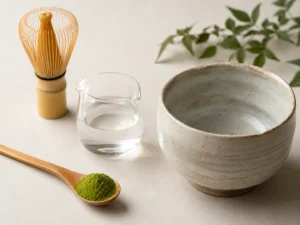
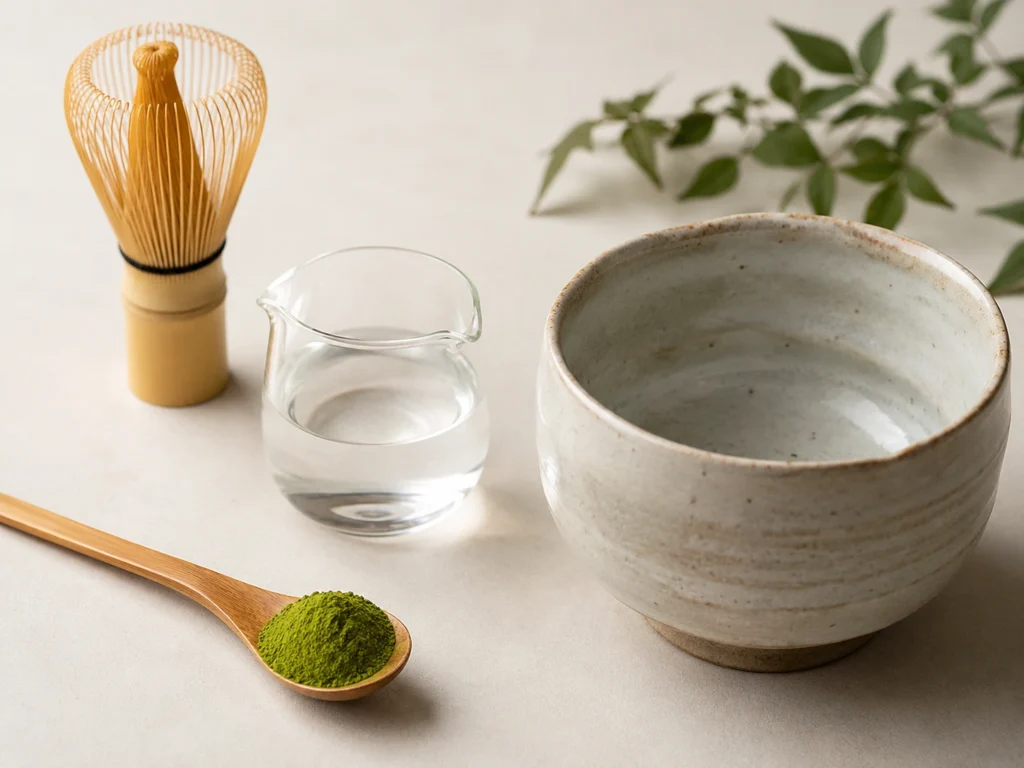
The preparation matters. Sifting the powder, adding water at the right temperature, and whisking with a bamboo chasen until a fine foam appears gives the day a clear beginning. The steps are simple, but they create structure.
Cacao can also be deeply ritualistic, especially in communal settings. But cacao rituals often feel heavier, warmer, and more expansive. Matcha is lighter and more precise. It can be done alone before work, before teaching, before writing, or before stepping into a busy day.
That simplicity is part of the appeal. Matcha gives you a way to slow down without needing an hour. It is a small act of attention.
For more on this philosophy, read our guide to the matcha ritual. If you want to prepare matcha traditionally at home, our guide to how to prepare ceremonial matcha walks through the method.
When does cacao make more sense?
Cacao may suit you when you want something richer, darker, and more dessert-like. It works beautifully with warm milk, cinnamon, vanilla, chilli, or a small amount of natural sweetener. Its flavour is rounder and more familiar to people who enjoy chocolate.
It may also suit an afternoon pause, especially if you want something that feels comforting rather than crisp. Where matcha can feel clean and green, cacao feels warm and earthy.
That does not make cacao better or worse. It simply belongs to a different rhythm. If matcha is the quiet start, cacao is often the slower middle of the day.
One ritual clears the morning. The other softens the afternoon.
Can you enjoy both matcha and cacao in a single day?
Yes. Many people enjoy both. A common rhythm is matcha in the morning and cacao later in the day, depending on caffeine sensitivity, taste, and routine.
Matcha suits the start of the day because it is bright, structured, and easy to prepare as a short ritual. Cacao can suit a slower afternoon moment because it is richer, warmer, and more grounding in flavour.
If you are sensitive to stimulants, spacing them out and keeping serving sizes modest is sensible. Everyone responds differently, so pay attention to how your own body feels.
For the evening, neither matcha nor cacao is always ideal. Matcha contains caffeine, and cacao contains theobromine. If you want to keep the ritual without the same level of stimulation, organic hojicha can be a softer choice.
Hojicha is a roasted Japanese green tea with a warm, toasty flavour. It is often chosen for later in the day because it feels mellow, comforting, and less intense than matcha.
You do not have to choose one and reject the other. The day can hold both, and the evening can hold something softer still.
If you are beginning with matcha, start with Nami. It is our everyday ceremonial matcha for smooth daily preparation. If you want a more premium, umami-rich bowl, choose Goku. If you want an evening-friendly roasted tea, explore Hojicha.
Frequently asked questions
Is matcha healthier than cacao?
Matcha and cacao have different nutritional profiles. Matcha is known for whole-leaf green tea compounds such as catechins and L-theanine, while cacao is known for theobromine, flavanols, and naturally occurring minerals. The better choice depends on your taste, caffeine sensitivity, and daily routine.
Does matcha have more caffeine than cacao?
Matcha usually contains more caffeine than cacao powder per typical drink serving, but the exact amount depends on how much you use. Cacao contains a smaller amount of caffeine and is better known for theobromine. Individual responses vary, so start with a modest serving if you are sensitive.
Can I mix matcha and cacao in the same drink?
Yes. Matcha and cacao can work together in the same drink. Cacao brings earthy richness, while matcha brings green brightness and umami. Try a small amount of each first, then adjust the balance to your taste. A little natural sweetener or warm milk can help bring the flavours together.
Is ceremonial matcha more expensive than cacao?
Ceremonial-grade matcha can cost more per serving than standard cacao powder because of the growing, shading, harvesting, and stone-milling process. Prices vary depending on quality and origin. You can compare current options in our matcha shop.
Which is better for a calming evening ritual, matcha or cacao?
Neither is always ideal late in the evening. Matcha contains caffeine, and cacao contains theobromine. For a softer evening ritual, hojicha is often a better fit because it has a warm roasted flavour and a gentler feel.
What is the easiest matcha to start with?
For most beginners, Nami organic ceremonial matcha is the easiest place to start. It is designed for daily use, works well with water or milk, and gives you a smooth introduction to traditional matcha preparation.
Begin with a quiet matcha ritual
Now you understand matcha vs cacao, the choice comes down to the moment you want to create. If matcha feels like the ritual you want, start with Nami: our organic ceremonial matcha for daily bowls, iced lattes, warm milk preparations, and slow morning moments.
⚠️ Goku URL fixed (third occurrence in this cluster) This makes three pages now (this one, matcha-vs-sencha, how-to-make-iced-matcha) all carrying the same broken premium-ceremonial-grade-organic-matcha-goku-50g URL — all three instances on this page corrected to the confirmed-correct URL. This strongly suggests an older product slug got baked into a batch of articles before being changed; worth a site-wide check for any other pages still carrying it. What changed and why
Title: unchanged, already exact-match. Meta description: rewritten from a description cut off mid-sentence to a clean ~145-character version. Quick answer: already existed as its own "## Quick Answer" H2 — kept the format, added the literal keyword phrase to the opening sentence. Comparison table: already existed exactly as required — fully preserved. "Which should you choose" section: new table added organised by taste/ritual/energy feel/routine (the four dimensions named in the brief), placed directly after the comparison table and before the existing "Why do people choose matcha over cacao" section, which stays fully intact. The existing "Which one suits your ritual?" prose later in the article also remains untouched as a natural continuation. Internal links added: Matcha Caffeine (new), Matcha vs Chai (new), Matcha Tea (new). Nami and Goku were already linked multiple times and remain untouched. Soft mid-page CTA: added after the new decision table, pointing to shop. Strong final CTA: existing closer kept, with the opening line rephrased to echo the keyword directly. FAQ: unchanged — already 6 well-built, carefully hedged questions. No medical-claim concerns — the table is explicitly labelled "practical rather than medical," and the compounds discussion throughout avoids overclaiming. All other sections — processing explanation, ritual philosophy, cacao-timing discussion, combined-day guidance — are otherwise unchanged apart from the Goku URL fixes.